The semi-automatic gearbox occupies a unique place in the landscape of automotive transmissions. Born from a manual gearbox architecture with the clutch pedal removed, it entrusts an electronic control unit with managing the clutch and gear shifts, while the driver retains control over gear selection via a lever or paddles on the steering wheel.
This intermediate position between manual transmission and traditional automatic gearbox raises technical and practical questions that deserve careful examination.
Predictive electronics and new generations of robotic gearboxes
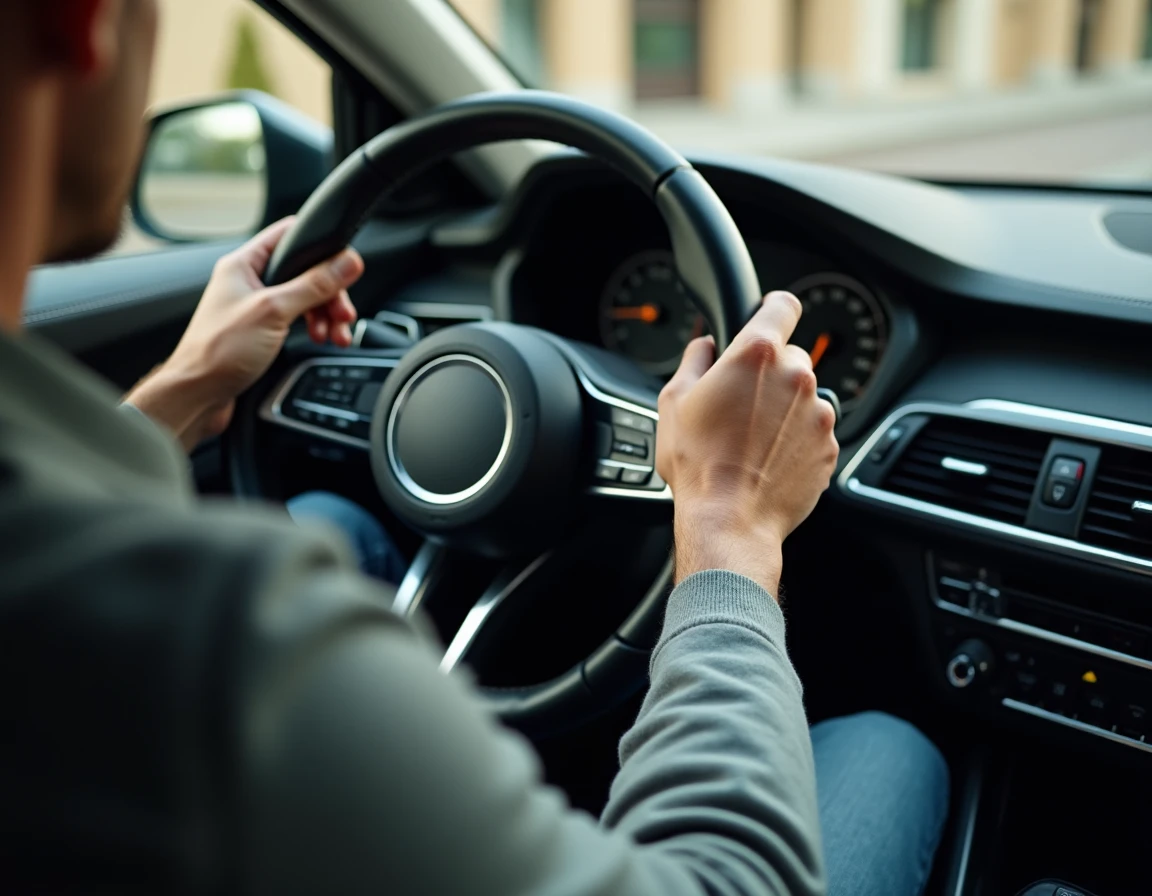
The first semi-automatic gearboxes, often referred to as robotic or controlled gearboxes, had a reputation for jerky gear shifts. The Citroën SensoDrive, Smart, or Renault Quickshift systems illustrated this limitation well: the interruption time between two gears produced an unpleasant jolt, especially in the city.
Since 2024, several manufacturers have integrated predictive gear shift logic into these robotic transmissions. The control unit no longer simply reacts to the driver’s command. It analyzes the road profile, steering angle, and driving style to anticipate downshifts or upshifts.
The result is a noticeable improvement in smoothness and responsiveness compared to previous generations. To better understand the principle of the semi-automatic gearbox, it is important to remember that its architecture remains that of a manual gearbox: a single clutch, classic gears, but with electronic management that has significantly advanced.
Light hybridization and semi-automatic gearbox: a game-changing coupling
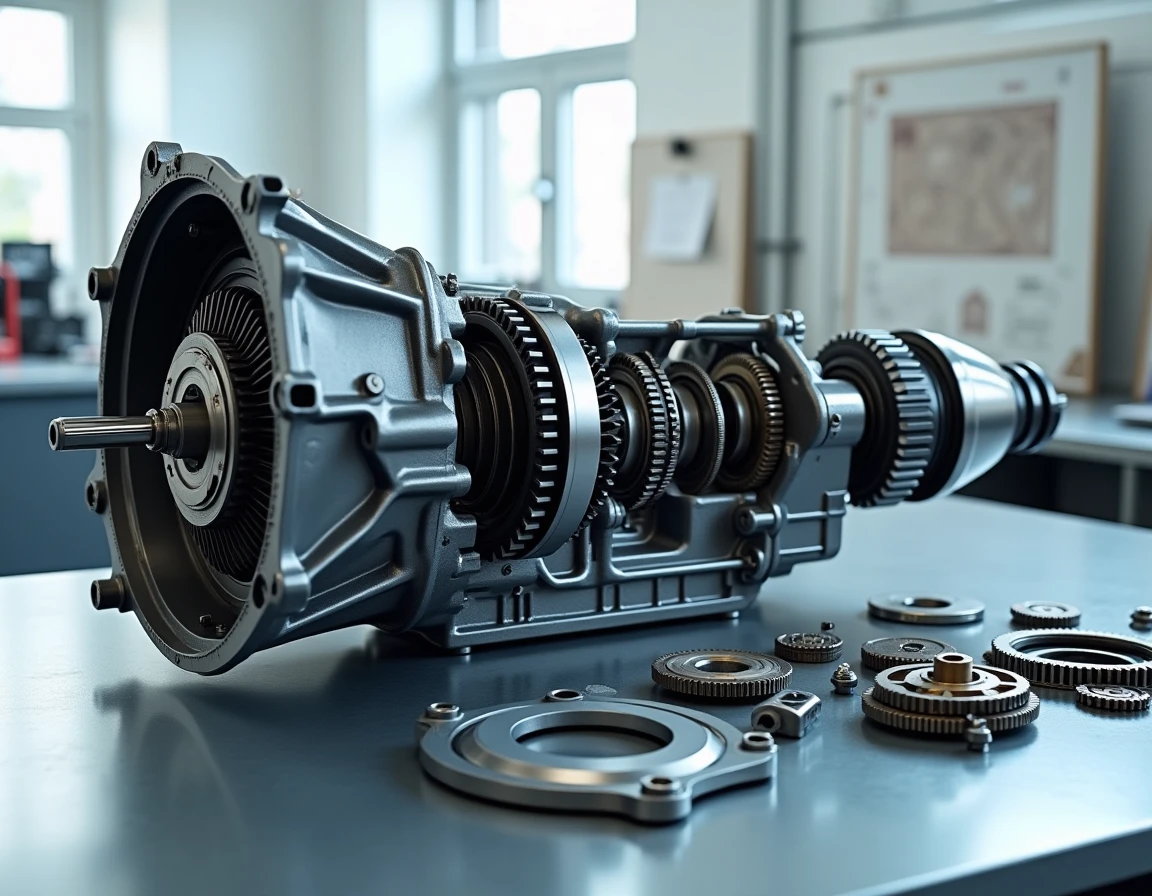
One of the least documented angles concerns the association between light hybridization and robotic transmission. On some recent models, a small electric motor is coupled with the semi-automatic gearbox. Its role is precise: to fill the torque gap during gear shifts.
This torque gap phenomenon is exactly what caused the famous jolts of older robotic gearboxes. During the fraction of a second when the clutch disengages to shift to the next gear, the power transmitted to the wheels drops. The auxiliary electric motor intervenes during this phase to maintain continuous thrust.
In urban use, this solution makes driving noticeably smoother than what first-generation systems offered. Field feedback varies on this point depending on the models and manufacturers, but the general trend shows that light hybridization is giving a concrete interest back to robotic gearboxes in a segment where they were losing ground to dual-clutch transmissions.
Automatic gearbox license and semi-automatic transmission: a regulatory nuance
A vehicle equipped with a semi-automatic gearbox falls into the category of vehicles with automated clutch. The license obtained on this type of transmission is a automatic gearbox license (restrictive code 78). This license does not allow the holder to drive a manual gearbox vehicle, except after additional training and a regulatory waiting period.
This distinction has direct consequences on the choice of training in driving schools. A candidate who takes their license on a semi-automatic vehicle benefits from simplified learning (no clutch pedal management), but finds themselves limited in the choice of vehicles they can drive afterward.
- The license obtained on a semi-automatic or automatic gearbox carries the restrictive mention 78, which prohibits driving manual vehicles
- Additional training allows this restriction to be lifted after a certain period
- Some candidates deliberately choose this path to shorten the training duration, even if it means regularizing later
This flexibility is not always highlighted when choosing the transmission, even though it directly influences the driver’s training path.
Semi-automatic gearbox versus dual-clutch gearboxes: a technology in decline
The classic semi-automatic gearbox (single clutch) has lost ground to dual-clutch gearboxes like DSG, EDC, or DCT. The main reason lies in the speed of gear shifts without torque interruption that the dual clutch allows: while one clutch transmits power on the engaged gear, the other is already preparing the next gear.
In the new car market, the single-clutch semi-automatic has almost disappeared from the catalogs of major generalist manufacturers. However, it still holds interest in two niches:
- Used vehicles, where many models equipped with robotic gearboxes are still circulating (Citroën C3, Smart Fortwo, Renault Twingo)
- Historical sports models or youngtimers, like the Porsche Sportomatic, which are experiencing renewed interest among collectors and enthusiasts
- Some utility vehicles or entry-level models, where the manufacturing cost lower than that of a traditional automatic gearbox remains a selling point
A niche positioning rather than mass
The trend for 2026 confirms this shift. Single-clutch semi-automatic gearboxes no longer represent a dominant transmission solution. They now occupy a niche segment between the used car market and the world of collectible vehicles.
For a new vehicle buyer, the question rarely arises: manufacturers are directing their offerings towards dual-clutch or torque converter automatic gearboxes. For a used car buyer, the semi-automatic gearbox remains a viable option as long as they are aware of its characteristics, particularly the specific behavior during gear shifts and the maintenance costs associated with the clutch actuator.
The semi-automatic gearbox has not disappeared from the automotive landscape, but its role has changed. It is no longer a generalist alternative to the manual gearbox, but rather a technical solution whose relevance depends on the model, usage, and budget of the driver. Advances in predictive electronics and light hybridization give it a second life in certain contexts, without reversing the overall trend in favor of dual-clutch systems.