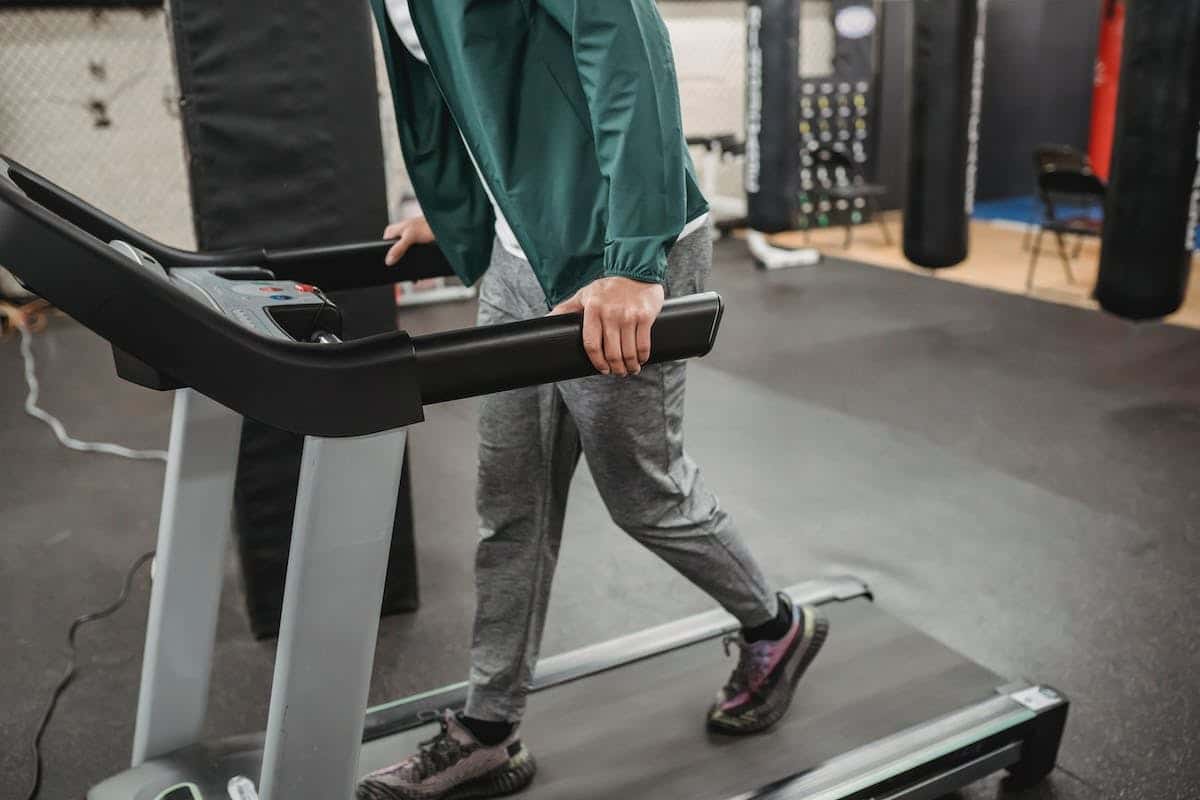
The treadmill is a popular fitness equipment that allows you to achieve various goals, such as weight loss, improving endurance, and enhancing cardiovascular health. There is a question that many fitness enthusiasts ponder: what is the ideal speed for training properly on a treadmill? The answer to this question is not straightforward, as it depends on several factors, such as fitness goals, the individual’s fitness level, age, and their ability to tolerate the intensity of the effort.
Finding the Ideal Speed on a Treadmill
Choosing the optimal speed for walking on a treadmill is a crucial step in your training journey. It’s not as simple as picking a random number. There are different factors to consider, including your current fitness level, your personal goals, and even the specifics of your body.
If you are a beginner or returning after a long period of inactivity, you should start at a slower speed. This will not only help you avoid potential injuries from excessive effort but also give your body the necessary time to adjust to this new type of exercise.
If you are specifically looking to lose weight or improve your cardio, for example, you will need to adjust the speed accordingly. The optimal speed for walking on a treadmill greatly depends on the set goals and the target heart rate during your sessions.
In general terms, a good rule of thumb is to work between 50% and 85% of your maximum heart rate • the latter is traditionally calculated by subtracting your age from 220 (for men) or as being between [(210 • half of your age) x weight] /• 5 beats (for women). The lower range favors endurance, while the upper range is more focused on muscle strengthening and fitness.
Another commonly used method to determine the optimal speed for walking on a treadmill is the ‘talk test‘. If you can speak comfortably without becoming breathless while walking, it generally means you are at a good speed.
Remember that each individual is unique, and what works for some may not be optimal for others. Listen to your body and adjust your speed accordingly. Don’t hesitate to consult fitness or health professionals if you need help defining this so-called ‘optimal speed’ tailored to your needs.
There is no single ‘optimal speed’ that is universal for a treadmill. It is more about finding a balance between appropriate intensity, personal safety, and overall physical efficiency. That is why it is crucial to allocate enough time for careful program adjustment even before the initial warm-up on the treadmill itself.
The Benefits of Moderate Speed Training
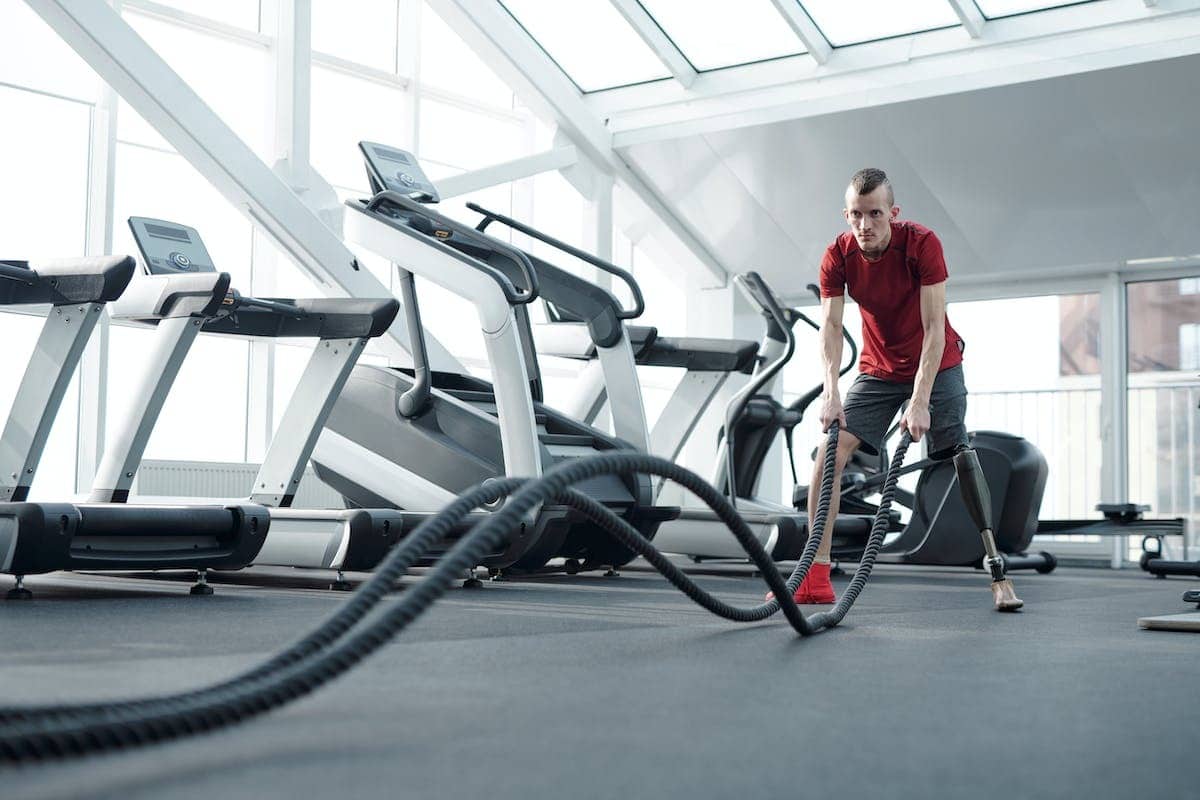
The advantages of training at a moderate speed on a treadmill are numerous and often underestimated. Many people tend to want to go fast, thinking that it’s the key to getting results quickly. It’s important to understand that training at a moderate speed has its own benefits.
Training at a moderate speed helps prevent injuries. When you run or walk at a high speed, your joints undergo additional stress due to the high impact on the ground. In contrast, adopting a slower and controlled pace significantly reduces the risk of musculoskeletal injuries. This cautious approach is particularly beneficial if you are new to physical exercise or have pre-existing joint issues.
Another advantage of training at a moderate speed is that it promotes fat burning. When your body exerts a sustained but steady effort over time, it primarily mobilizes its lipid reserves to produce energy rather than the carbohydrates stored in your muscles and liver. By maintaining a relatively low but constant intensity during your treadmill session, you encourage your body to draw more from its fat reserves to meet the energy demands of the exercise.
Training at a moderate speed helps develop your cardiorespiratory endurance. By working your cardiovascular and respiratory systems over an extended period, you strengthen these vital functions of your body. This translates into a better ability to sustain efforts in daily life, whether it’s climbing stairs, engaging in other sports activities, or simply coping with the physical demands of everyday life.
Don’t overlook the psychological benefits that training at a moderate speed can bring. You have more time to focus on your bodily sensations, which promotes mindfulness and mental well-being. This less intense approach often allows for longer exercise durations without quickly feeling physical or mental exhaustion.
The Effects of High-Speed Training on the Body
Be aware that high-speed training places greater demands on your cardiovascular and muscular systems. When you run or walk quickly on a treadmill, your heart beats faster to supply enough oxygen to the active muscles. This increase in blood flow promotes better circulation throughout the body and thus enhances cardiovascular health.
By engaging in high-speed training, you stimulate the production of beneficial hormones such as endorphins. These natural chemicals are responsible for that pleasant feeling often described as ‘runner’s high’. They also act as natural pain relievers by reducing the perception of pain during your intense sessions.
Another notable advantage is the increased development of your muscular power. Exercises performed at a high cadence typically involve faster and more explosive movements that engage your deeply embedded muscle fibers more. This not only improves your strength but also your ability to generate quick movements in various sports or daily contexts.
High-speed training can contribute to better coordination and agility. Sprinting exercises and frequent changes in direction are examples that require precise body control and optimal synchronization between your limbs. By regularly practicing these types of activities, you improve your ability to react quickly to unpredictable situations as well as your overall balance.
You must emphasize that any high-speed training requires adequate preparation to avoid injuries. You should note that each individual has their own physical limitations. Before starting a high-speed training program, it is recommended to consult a qualified professional who can guide you based on your personal goals and current physical condition.
Whether you opt for moderate or high-speed training on a treadmill, remember that it is essential to listen to your body and proceed gradually. The advantage of the treadmill lies in its versatility: it offers the possibility to vary speeds according to your needs and preferences. Ultimately, high-speed training on a treadmill can be an interesting option to diversify your workout sessions and stimulate your physical progress.
Tips for Determining Your Ideal Speed on a Treadmill
In this section, we will present some tips for determining your ideal speed on a treadmill. You need to consider your personal goals and your current physical condition.
Start with a warm-up: Before increasing the speed, make sure to warm up properly for at least 5 to 10 minutes. This will allow your body to gradually prepare for the effort and reduce the risk of injuries.
Assess your endurance level: If you are a beginner or have low cardiorespiratory endurance, start with a moderate speed that allows you to maintain a conversation without too much breathlessness. This zone generally corresponds to about 50-60% of your maximum heart rate.
Use the RPE (Rate of Perceived Exertion) method: This is a subjective scale used to measure perceived intensity during physical effort. On a scale from 0 to 10, where 0 represents no effort and 10 represents maximum effort, try to maintain a level between 4 and 6 for lighter workouts and between 7 and 8 for more intense workouts.
Recommendations for Progressing by Adjusting Your Training Speed
To progress and improve your training speed on a treadmill, we recommend the following approaches:
The principle of gradual progression: you need to adapt gradually to new demands. Start with lighter sessions at a comfortable speed, then gradually increase the difficulty over time.
Intervals: Introducing intervals into your workouts can be an excellent way to improve your speed. Alternate between periods of high intensity (increasing speed) and periods of active recovery (decreasing or maintaining speed). This method promotes the development of muscular and cardiovascular endurance, resulting in a better ability to run at a higher speed.
Variety in sessions: Don’t settle for the same monotonous pace during your treadmill sessions.