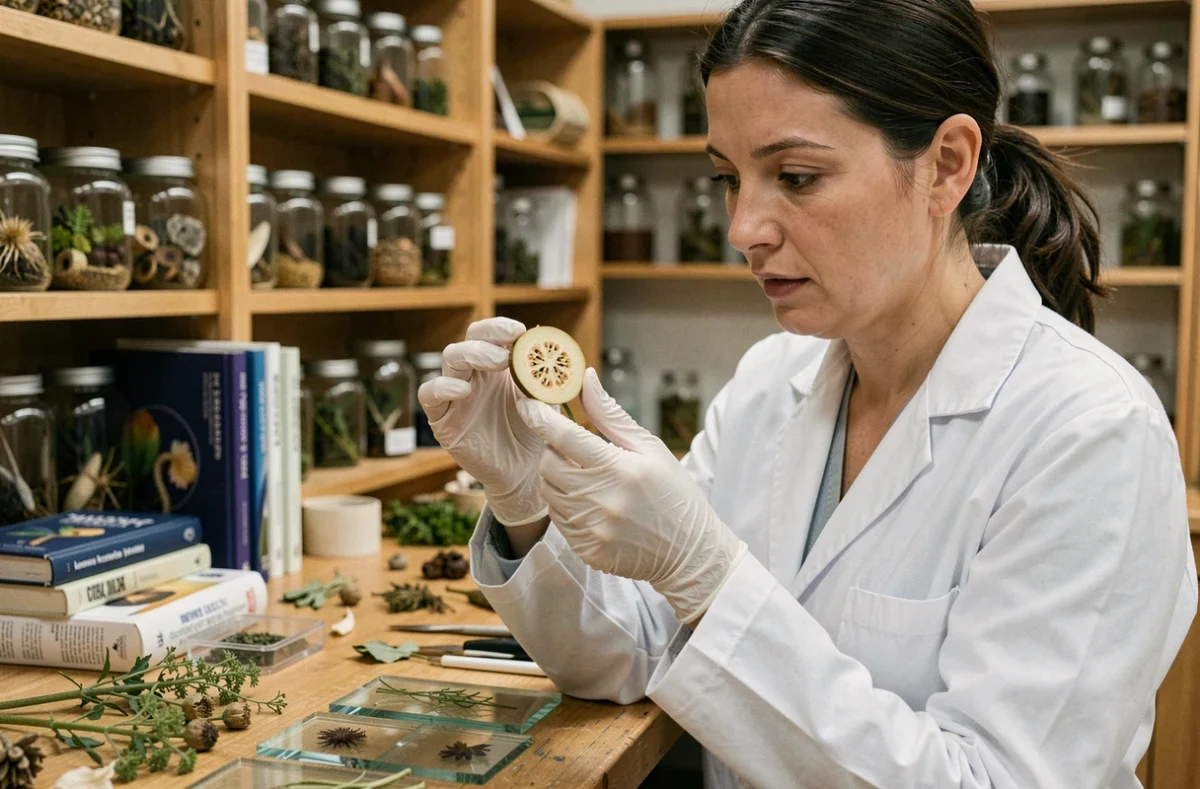
Sexual reproduction is based on a simple principle: the fusion of two reproductive cells, one male and the other female. This mechanism, shared by the vast majority of animals and plants, produces genetically unique offspring. Behind this apparent simplicity lie very varied strategies, strong ecological constraints, and vulnerabilities that recent research highlights.
Incubation temperature and sex ratio: an underestimated fragility
In many reptiles, an individual’s sex does not depend on sex chromosomes but on the temperature at which the egg is incubated. A difference of just a few degrees during a critical window of embryonic development is enough to skew an entire clutch towards a single sex.
Sea turtles, crocodilians, and several species of lizards are directly affected. With climate change, even a moderate increase in ground temperatures can massively favor one sex at the expense of the other, disrupting the sex ratio of an entire population over a few generations.
This phenomenon poses a concrete problem for population renewal. Without a sufficient proportion of males or females depending on the species, fertilization becomes statistically less likely. To understand the modes of sexual reproduction of living beings, this environmental dimension, often absent from traditional school presentations, must be integrated.
External fertilization and internal fertilization: two responses to the same problem
The meeting of gametes, sperm and eggs, constitutes the critical step of sexual reproduction. Living beings have developed two main strategies to achieve this, each with its own constraints.
External fertilization: the gamble of quantity
In aquatic species (fish, amphibians, sea urchins), gametes are released directly into the water. Fertilization occurs outside the body. This strategy requires a massive production of gametes to compensate for losses due to dilution, currents, and predation.
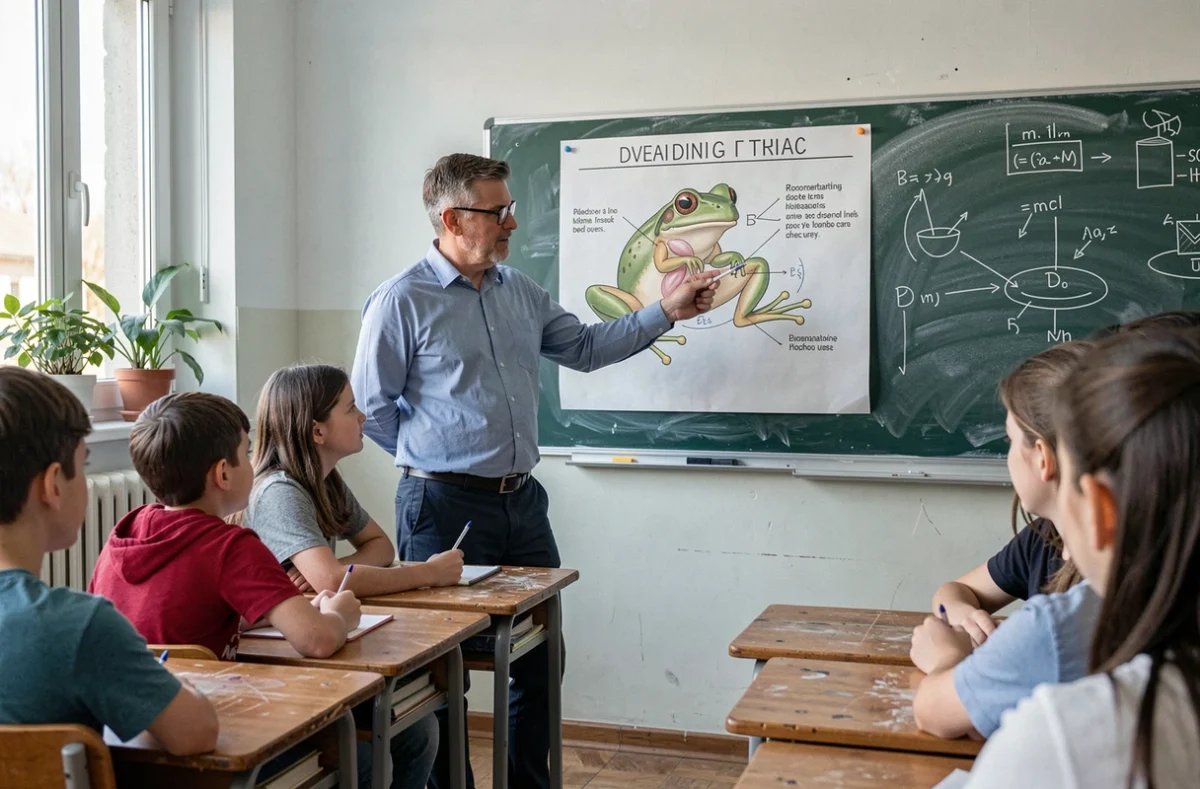
The frog illustrates this process well: the female lays several hundred eggs that the male fertilizes with sperm. Only a tiny fraction will produce viable tadpoles. The aquatic environment is both the vector and the main obstacle to this fertilization.
Internal fertilization: an investment per individual
Mammals, birds, and most reptiles practice internal fertilization. Sperm are deposited inside the female’s body, which protects the egg cell from the hazards of the external environment. In return, the number of offspring per reproductive cycle is much lower.
This strategy is often accompanied by complex behaviors: courtship displays, territory defense, prolonged parental care. The energy investment per offspring increases significantly.
- External fertilization favors a large number of offspring with a low individual survival rate.
- Internal fertilization produces fewer offspring but with a significantly higher survival rate due to parental protection.
- The choice between these two modes depends on the living environment: free water for external, terrestrial or semi-aquatic environments for internal.
Male and female gametes: an asymmetry that structures the entire process
Sperm are small, mobile, and produced in very large quantities. Eggs are large, rich in nutritional reserves, and produced in limited numbers. This asymmetry between male and female gametes is not trivial: it conditions all reproductive strategies.
The egg provides most of the resources necessary for the initial development of the embryo. The sperm mainly contributes its genetic material. It is the fusion of these two haploid cells that reconstructs a complete, diploid genetic heritage in the egg cell.
Meiosis, a specific cell division that precedes the formation of gametes, ensures genetic mixing in each generation. Homologous chromosomes separate randomly, and exchanges of fragments (crossing-over) create new combinations. Each gamete carries a unique genetic combination, which explains why two individuals from the same parents are never identical (except for monozygotic twins).
Sexual and asexual reproduction in the same plant species
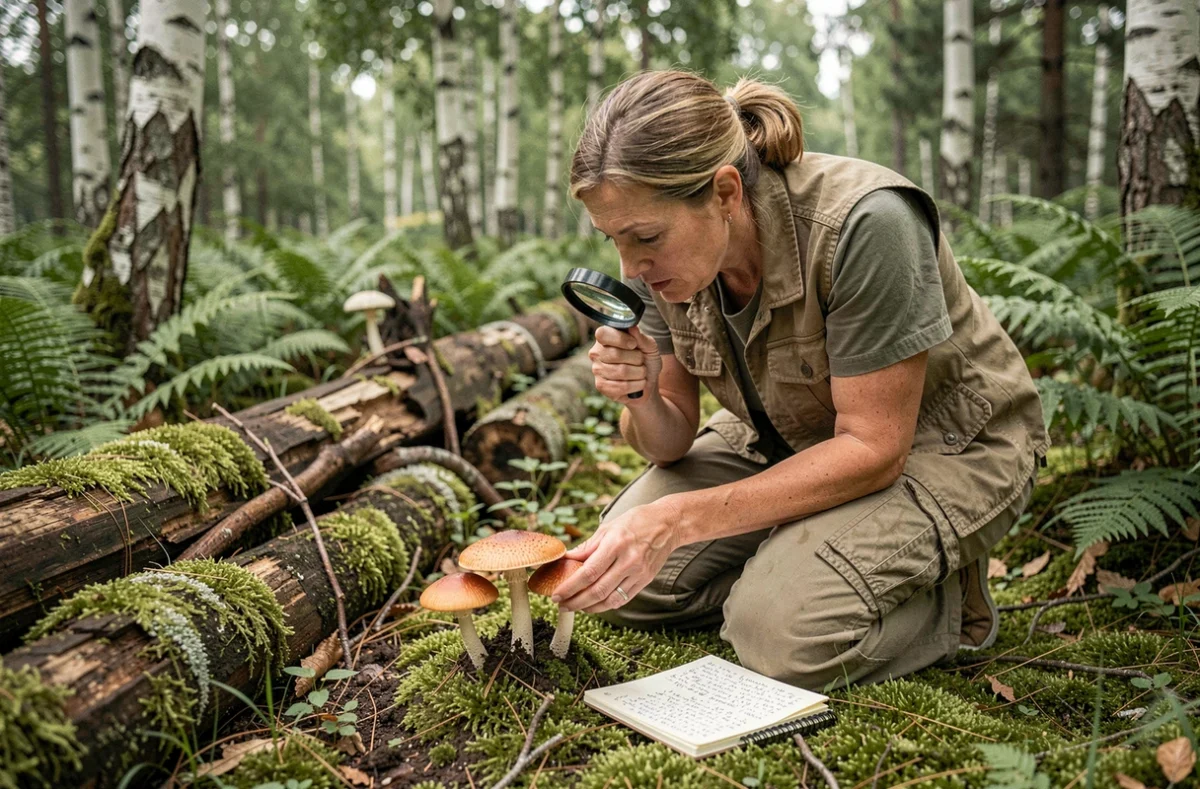
The boundary between sexual and asexual reproduction is not always clear. Some plants alternate between the two depending on environmental conditions. The same species can multiply vegetatively (stolons, natural cuttings, fragmentation) to quickly colonize an area, and then resort to sexual reproduction through pollination to renew its genetic diversity.
More surprisingly, some species practice apomixis: they produce seeds without classical fertilization, bypassing genetic mixing. The offspring is then genetically close to or identical to the parent, while benefiting from seed dispersal.
- Vegetative reproduction allows for rapid and efficient colonization of a favorable environment.
- Sexual reproduction through pollination generates genetic diversity, useful in the face of changing environmental pressures.
- Apomixis constitutes an intermediate strategy, combining seed dispersal and the conservation of a high-performing genotype.
This reproductive flexibility constitutes a notable adaptive advantage. It allows a population to adapt in the short term through cloning and in the long term through genetic mixing.
Genetic diversity and species survival: what sexual reproduction makes possible
The genetic mixing resulting from meiosis and fertilization produces, in each generation, individuals carrying new allelic combinations. In the face of a pathogen, climate change, or environmental modification, this diversity increases the likelihood that part of the population possesses the necessary characteristics to survive.
Species that reproduce exclusively asexually accumulate mutations without being able to recombine them. In the long term, this lack of mixing can reduce their adaptability. Sexual reproduction does not guarantee the survival of a species, but it provides the raw material for evolution: genetic variability among individuals of the same population.
The available data do not allow for precise quantification of the threshold of genetic diversity below which a population becomes non-viable. This threshold varies depending on the species, the size of the population, and environmental pressures. What is established is that sexual reproduction remains the main biological mechanism for producing this diversity in multicellular organisms.