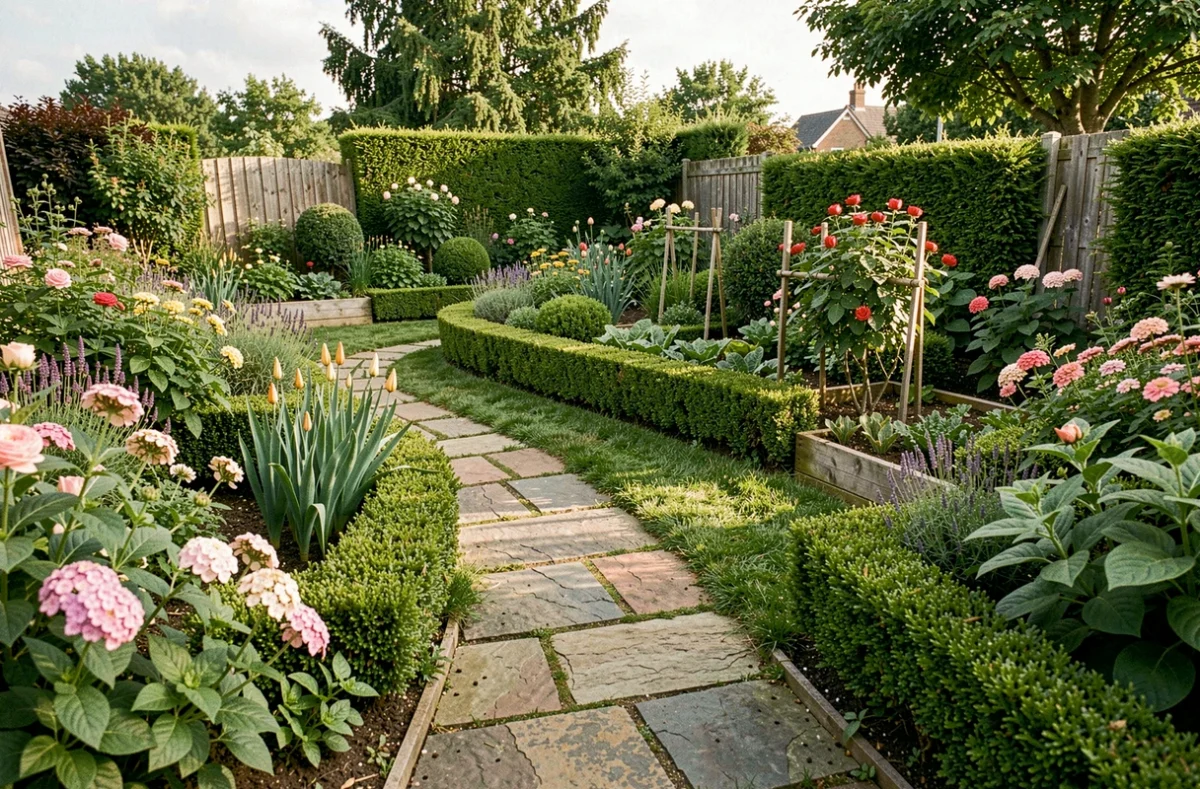
Transforming a garden without dedicating every weekend to it means choosing the right actions rather than multiplying interventions. Maintaining a garden throughout the year relies on a few targeted techniques, adapted to the soil, local climate, and current regulations. Here are ten concrete actions, listed in no particular order, to effectively manage your plantings, soil, and outdoor arrangements.
1. Mulch flower beds to reduce watering and weeding
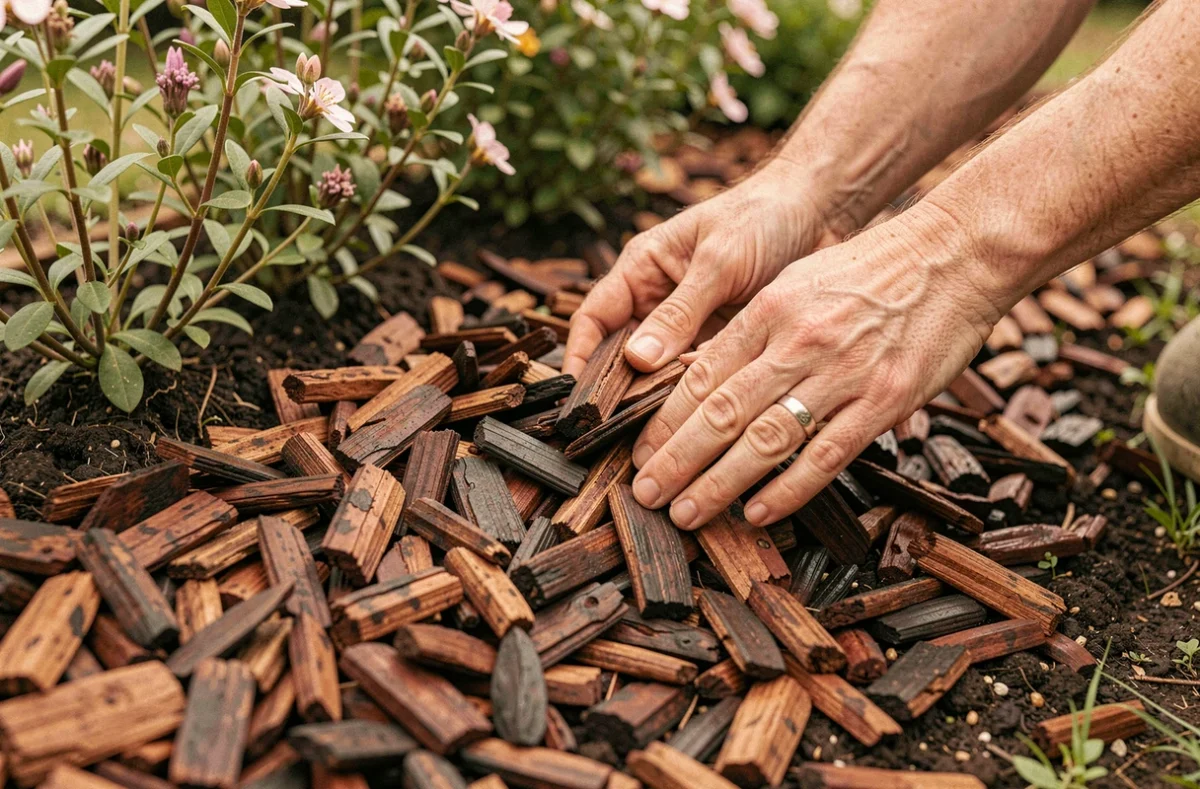
Mulching limits water evaporation from the soil and slows down the germination of weeds. A sufficiently dense layer of wood chips, straw, or dead leaves retains moisture for several more days than bare soil.
This action is particularly meaningful during watering restrictions. The VigiEau platform allows you to check the rules applicable to your address: in some departments, watering lawns may be completely prohibited while young plantings still benefit from time slots. Mulching reduces this dependence on water and protects the microbial life of the soil.
Finding garden tips on simplyhabitat.fr helps identify suitable mulching materials for each type of planting.
2. Install a drip irrigation system in the vegetable garden
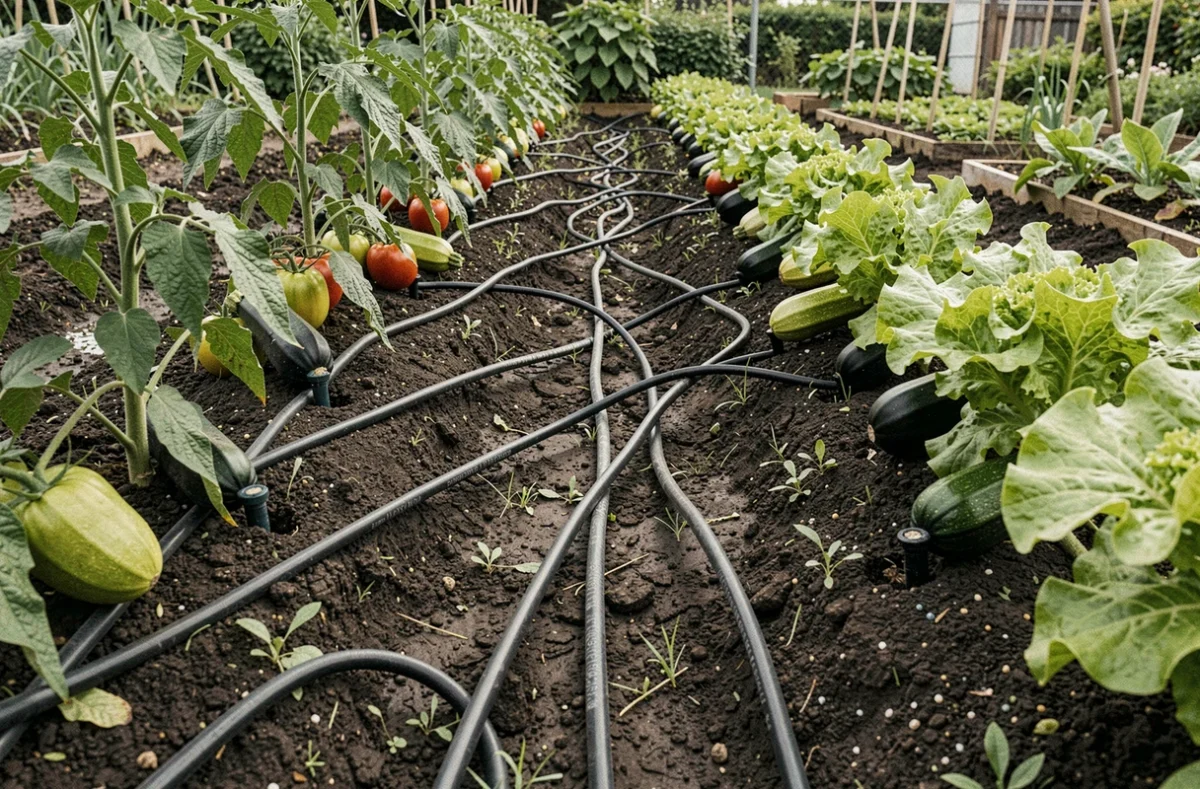
Manual watering consumes more water than a well-designed drip system. The latter delivers water directly to the base of the plants, without wetting the foliage, which also limits fungal diseases.
The priority for watering should go to recently planted vegetation and sensitive crops. Lawns tolerate water stress better than young shrubs or vegetables in the fruiting phase. A timer set to the allowed time slots (often early in the morning or in the evening) complements the system.
3. Prune shrubs at the right time for each species
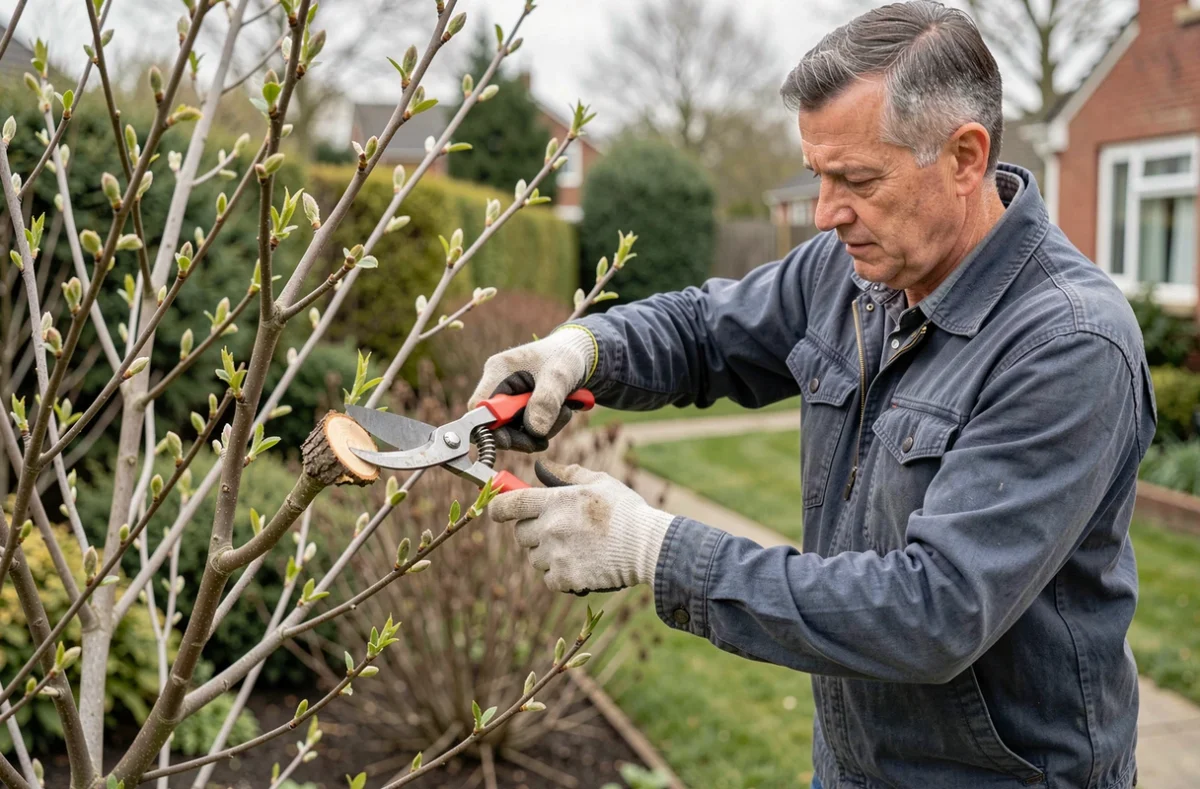
Improperly timed pruning removes flower buds or weakens the plant before winter. Spring-flowering shrubs should be pruned just after flowering. Those that bloom in summer are pruned at the end of winter, before the growth begins.
Hedges are subject to recent regulatory changes in France, with defined pruning periods to protect nesting. Checking the local calendar before intervening avoids unintentional violations and preserves the biodiversity of your garden.
4. Replace synthetic phytosanitary products with biocontrol
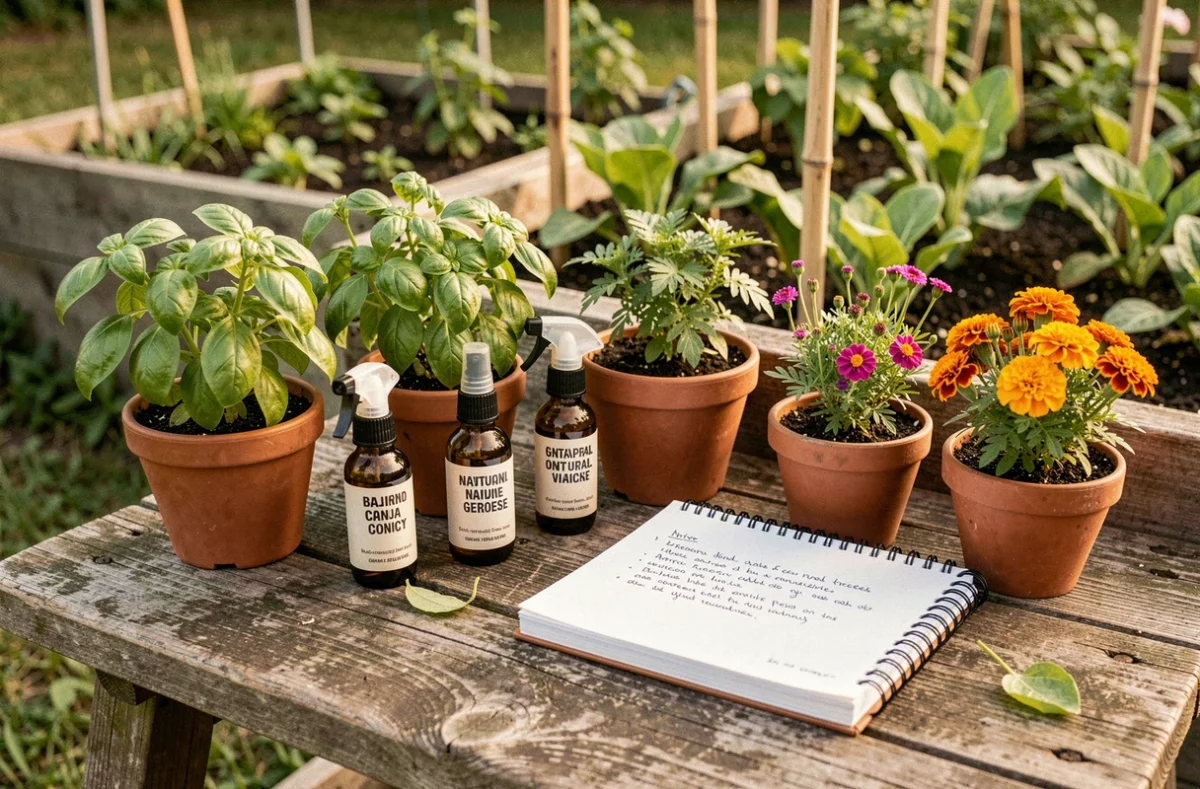
Since 2019, individuals can no longer freely use synthetic phytopharmaceutical products. Only biocontrol products, those with low risk, or those authorized in organic farming remain accessible to amateur gardeners.
Domestic solutions like vinegar, salt, or bleach are not safe alternatives. They can damage soil structure and contaminate aquatic environments. It is better to turn to beneficial insects (ladybugs, lacewings) or preparations based on microorganisms that carry the mention of authorized use in the garden.
5. Create natural shade areas with deciduous trees
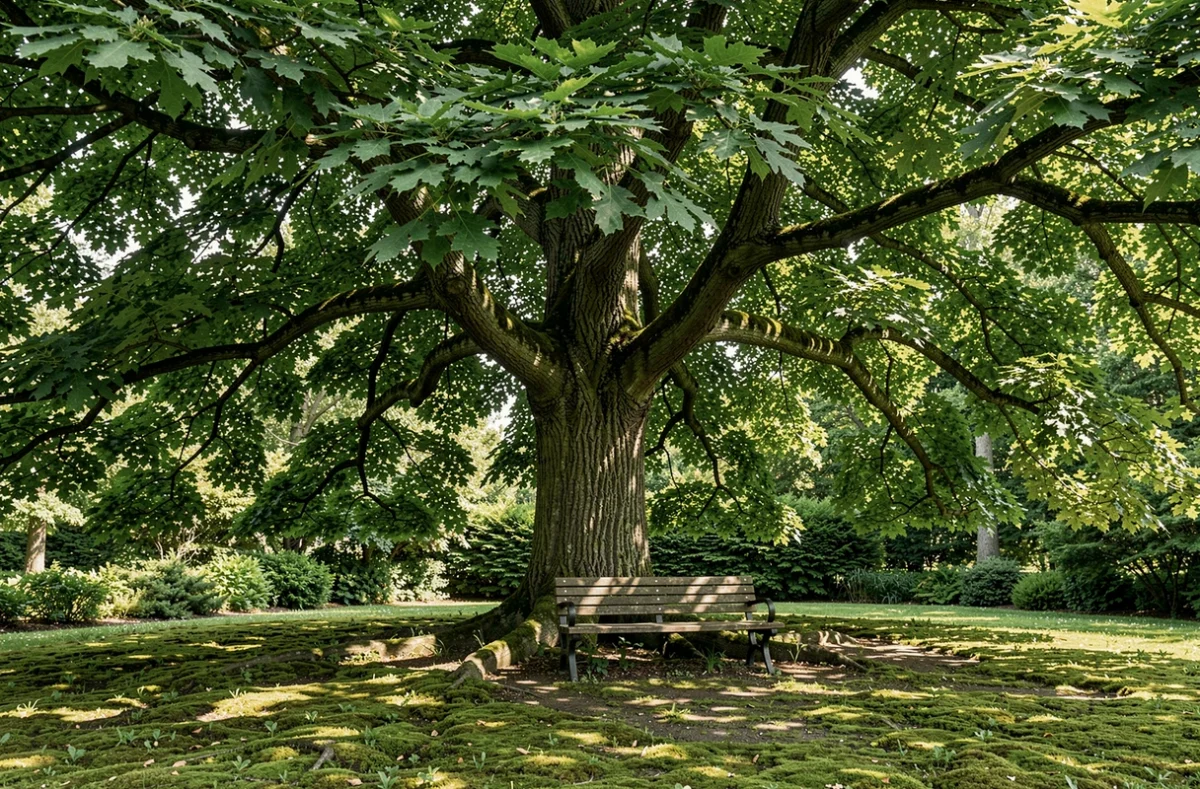
A deciduous tree provides shade in summer and allows light to pass through in winter when the sun is scarce. It acts as a free thermal regulator for the terrace or dining area.
The location requires careful consideration: distance from foundations, orientation to summer sun, root development over time. A maple, a plane tree, or a soap tree can cover a significant area in a few years without requiring frequent pruning.
6. Structure the space with borders and soil levels
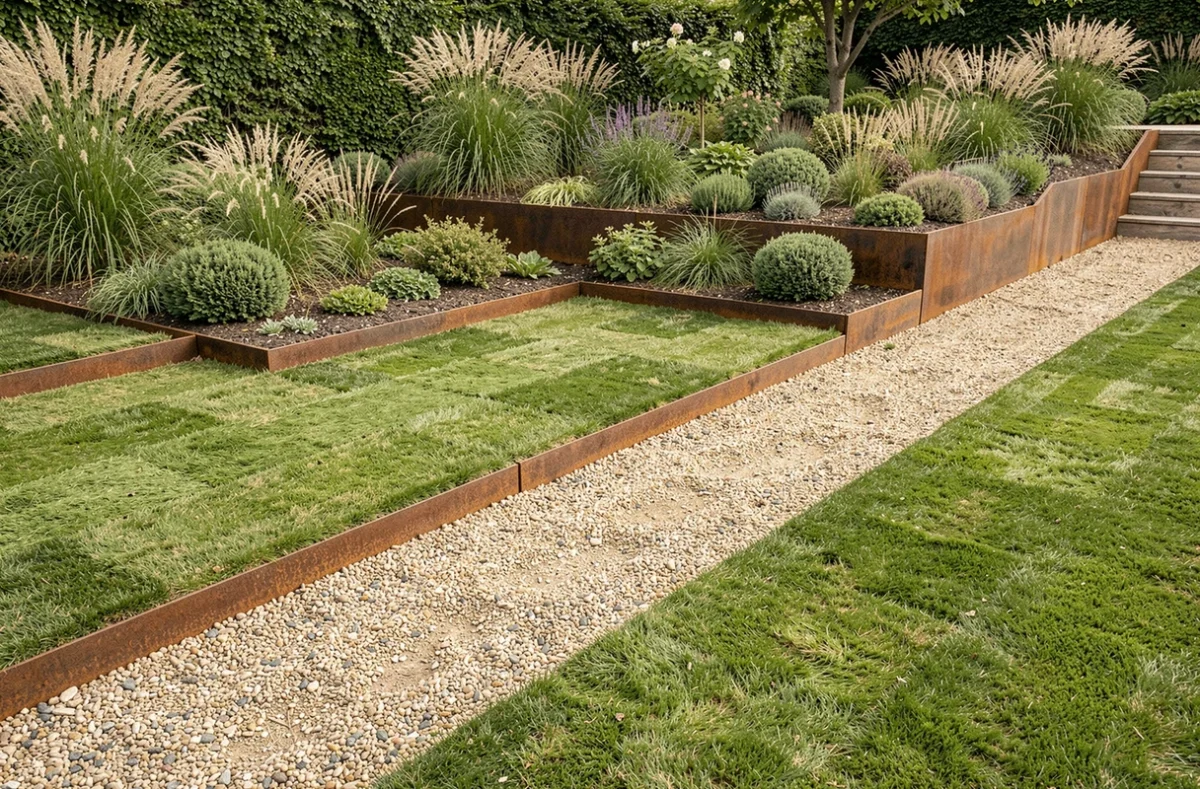
Defining areas (flower bed, lawn, vegetable garden, terrace) with physical borders reduces maintenance time. Weeds no longer migrate from one space to another, and mowing becomes quicker.
Playing with levels – a raised bed, a slight mound – improves drainage and creates visual relief. A structured garden requires fewer corrective interventions than a space where everything mixes.
7. Choose perennial plants suited to the local climate
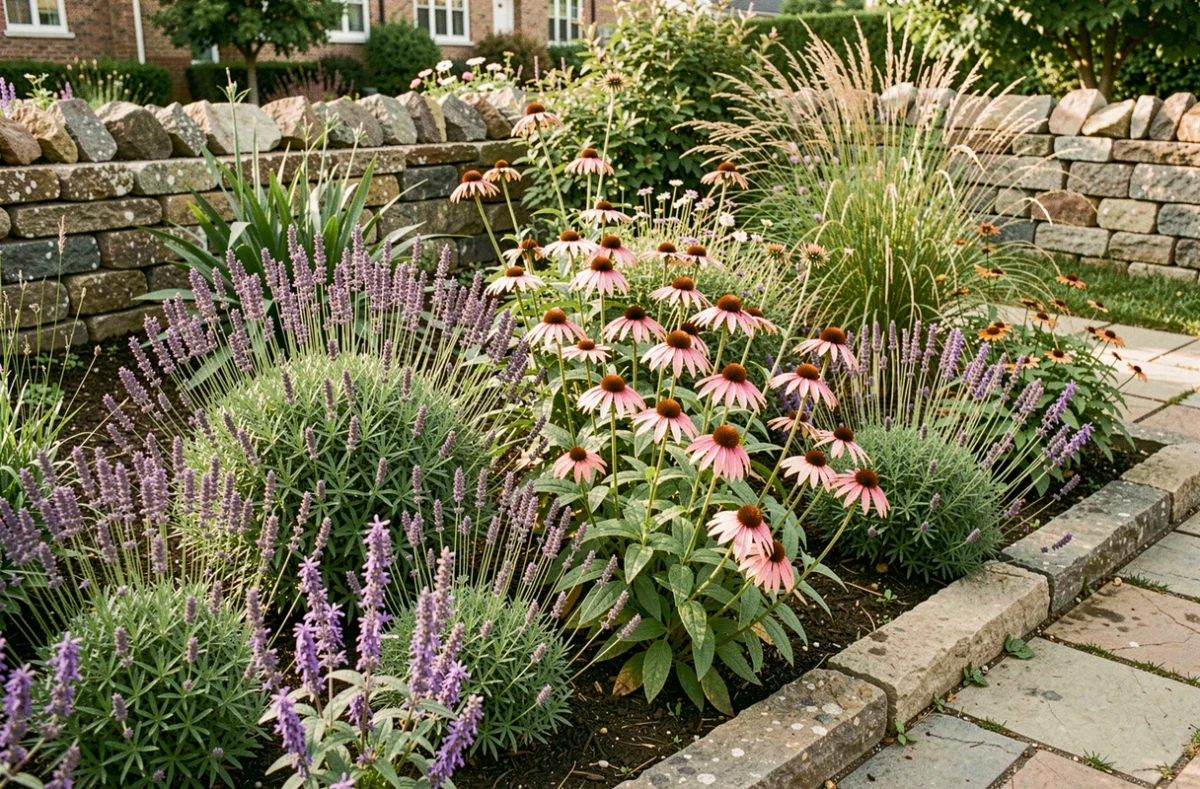
Perennials return every year without replanting. By choosing species suited to your climatic zone and soil type, you eliminate the annual cycle of buying-planting-replacing annuals.
Lavender, perennial geraniums, ornamental grasses, or sedums tolerate drought and require little care. Grouping plants by water needs (hydrozoning) optimizes watering and limits waste.
8. Install low-energy lighting to extend garden use
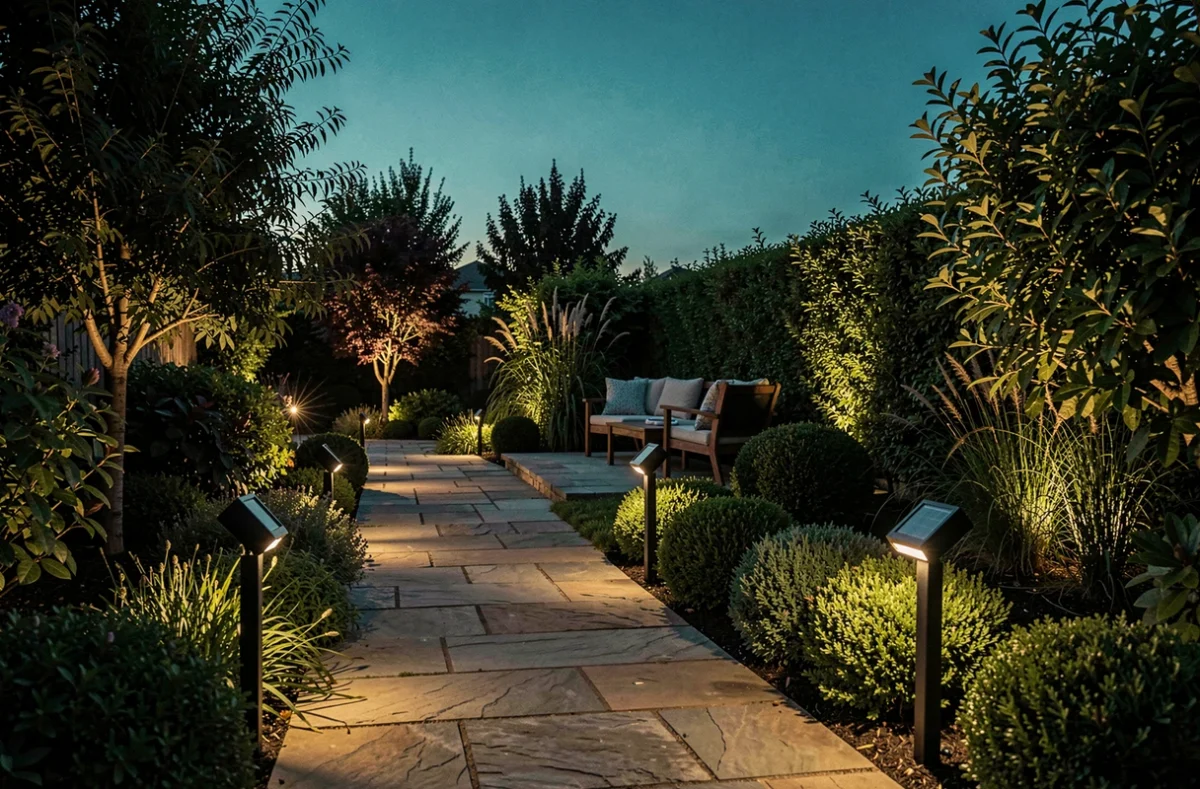
Solar bollards or low-voltage LED spots transform the atmosphere of a garden as night falls. Outdoor lighting extends the usability of the terrace and secures pathways.
Prefer fixtures directed downwards to avoid light pollution. Poorly directed lighting disrupts nocturnal insects and wastes energy. A few well-placed light points are enough to delineate a space without flooding the garden with light.
9. Compost green waste to nourish the soil for free
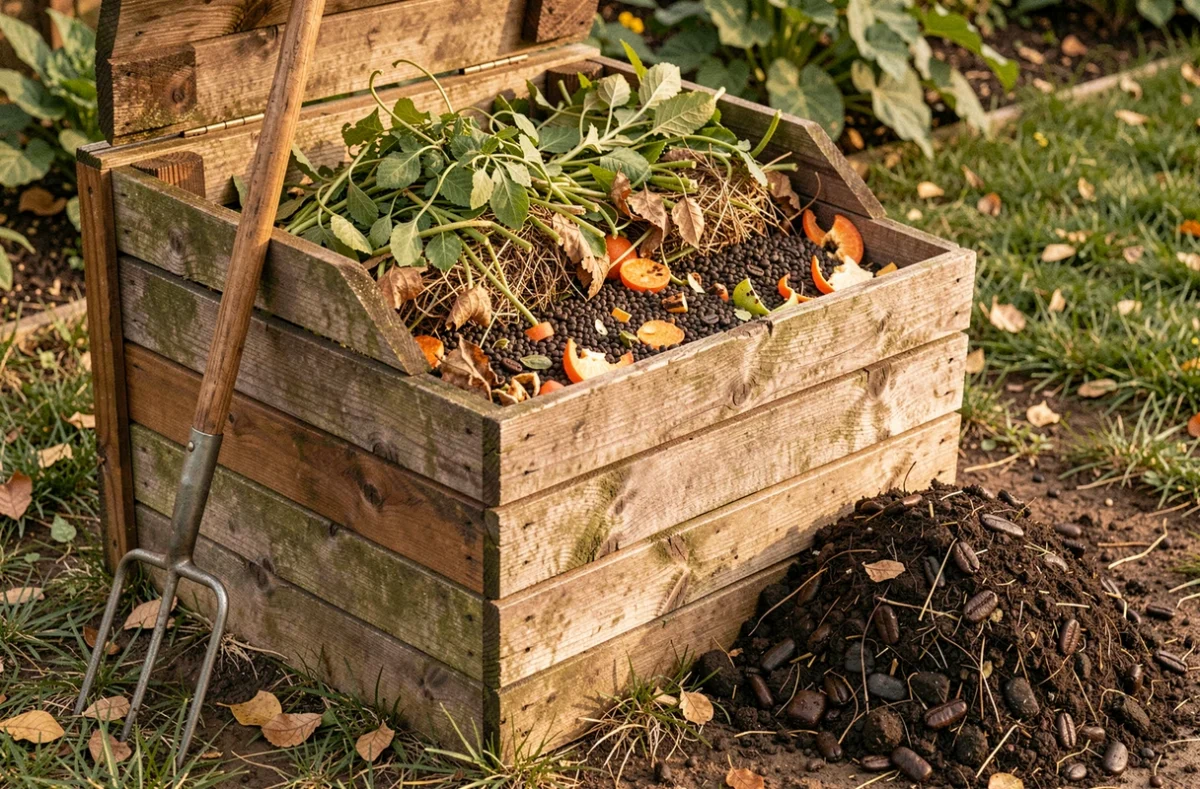
Grass clippings, dead leaves, peels: these organic materials become a rich amendment in a few months. Compost improves soil structure, water retention, and fertility without resorting to chemical fertilizers.
- Alternate green layers (clippings, peels) and brown layers (dry leaves, unprinted cardboard) to balance the carbon/nitrogen ratio.
- Turn the pile every few weeks to accelerate aerobic decomposition.
- Avoid excess conifers, diseased plants, and mature weed seeds.
10. Check local regulations before any major intervention
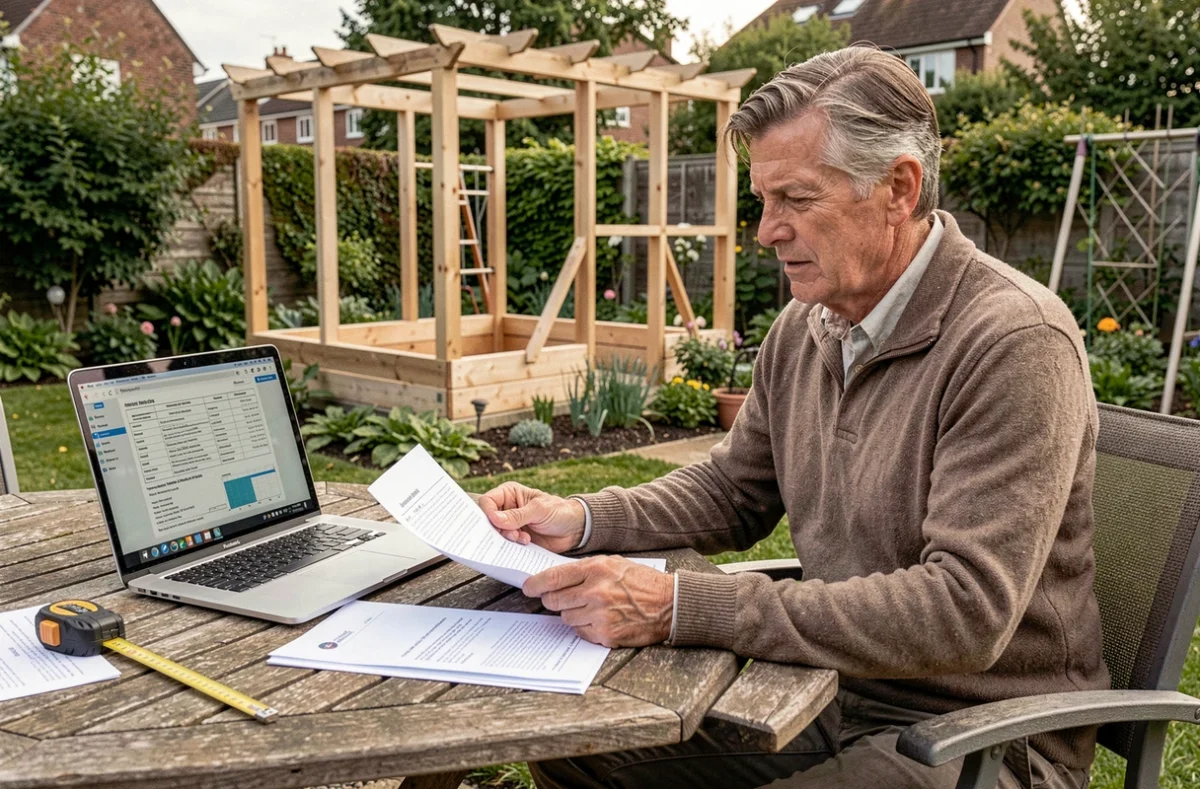
Tree felling, building a garden shed, modifying a fence: each intervention has a regulatory framework that varies by municipality and local urban planning. Failing to check in advance can lead to a requirement for restoration.
For watering, the VigiEau platform indicates real-time restrictions by address. The rules change according to the level of drought and the period, making regular checks necessary, especially between May and September.
A garden that remains pleasant all year round relies less on the amount of work than on the timing of interventions and adherence to local constraints. Mulching, composting, adapting watering, and choosing resilient plants cover most needs without multiplying purchases or hours spent outdoors.