In the daily care of textiles, the correct use of powder detergent is essential to maintain the quality and cleanliness of clothing. Despite its apparent simplicity, the washing process conceals traps often unknown to consumers. Inappropriate dosing, unsuitable temperature choices, disregard for manufacturer recommendations, or ignorance of the composition of textiles can lead to disappointing results: dull colors, detergent residues, or damaged fabrics.
Misunderstandings about Powder Detergent Dosing
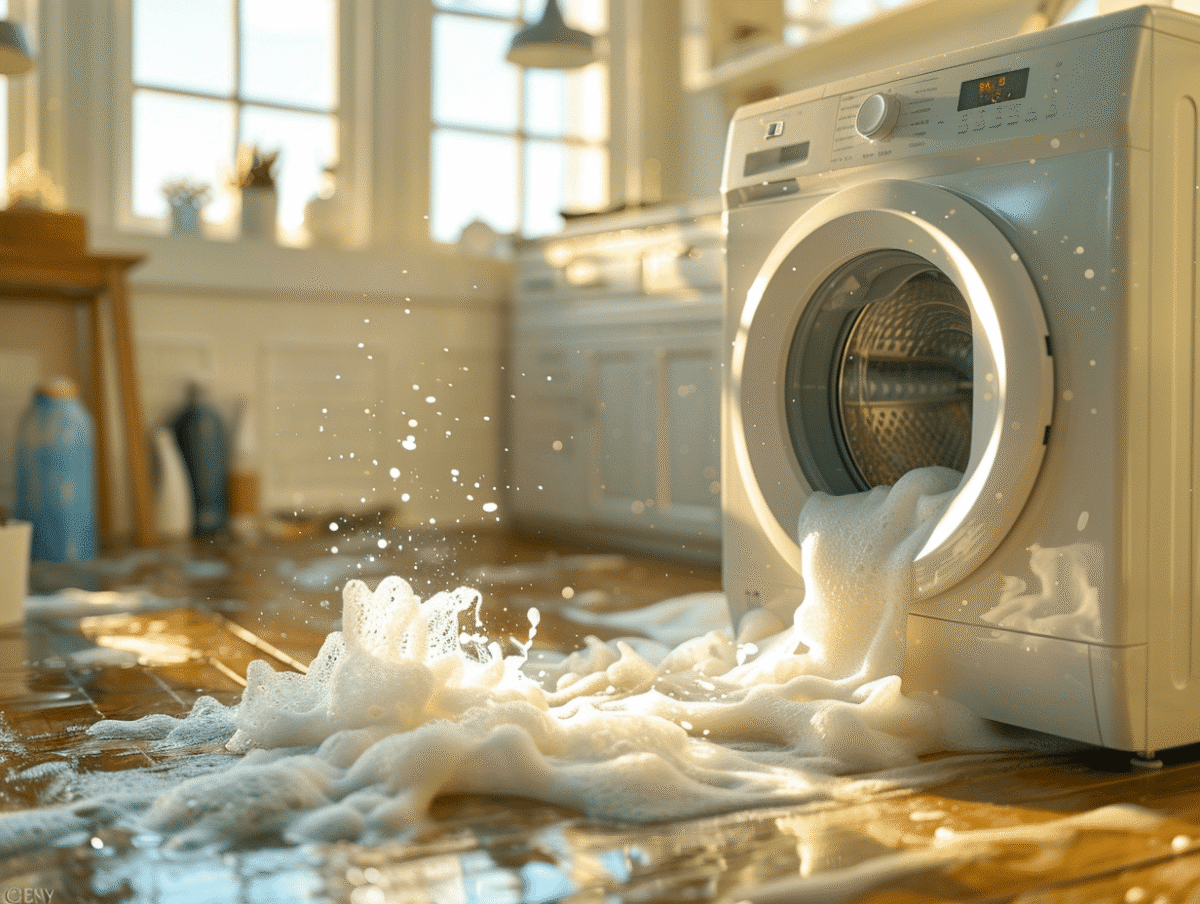
The dosing of powder detergent remains a challenge for many users. According to the generally recommended standard, 35 g of detergent is sufficient for a standard load of laundry. However, overdosing proves to be a common mistake, often motivated by the false idea that a larger amount of product would guarantee better cleanliness. This practice not only leads to waste of detergent but also the risk of leaving residues on textiles, which can cause skin irritations or alter the quality of the laundry.
In light of this issue, the question of where to put the detergent in the machine should not be overlooked. Incorrect positioning can affect the dissolution of the product and, consequently, its effectiveness. It is therefore important to refer to the device’s manual to use the detergent drawer correctly. Moreover, enthusiasts of homemade detergent must be particularly vigilant: proper dosing is fundamental for washing efficiency and the preservation of the machine.
Adopting an environmentally friendly approach also involves mastering the dosing of detergents. Well-dosed powder detergent contributes to a significant reduction in the ecological impact of washing, by limiting the discharge of chemical substances into wastewater. Take into account the detailed instructions provided by manufacturers and adjust the dosage according to water hardness and laundry dirtiness. This precision contributes to the collective effort for a more sustainable world.

Common Usage and Maintenance Errors Related to Powder Detergent
The dosing of powder detergent is accompanied by washing machine maintenance practices, often neglected by consumers. Special attention should be paid to the potential clogging of the device, a direct consequence of improper detergent use. Regular maintenance with suitable products, such as white vinegar, prevents residue buildup and ensures optimal machine operation.
The production of homemade detergent is on the rise, driven by a quest for more natural alternatives. However, this practice requires precise knowledge of the components used. Marseille soap, often favored, should be selected without glycerin to avoid compromising the washing machine’s performance. Consider the composition of ingredients to prevent any long-term damage.
Modern washing machines are designed to operate with specific amounts of detergent. Users should inform themselves about manufacturers’ recommendations to avoid overloading washing cycles. Similarly, the proper dissolution of powder detergent is essential: poor positioning in the dedicated drawer can lead to uneven product distribution and, consequently, inconsistent cleanliness of the laundry.
The choice of ingredients for homemade detergent should be made with discernment. Glycerin, in particular, is a component to avoid, as it can lead to harmful greasy deposits on the internal mechanisms of the device. Preventive maintenance, including descaling and filter cleaning, is essential to maintain the machine’s efficiency and extend its lifespan.