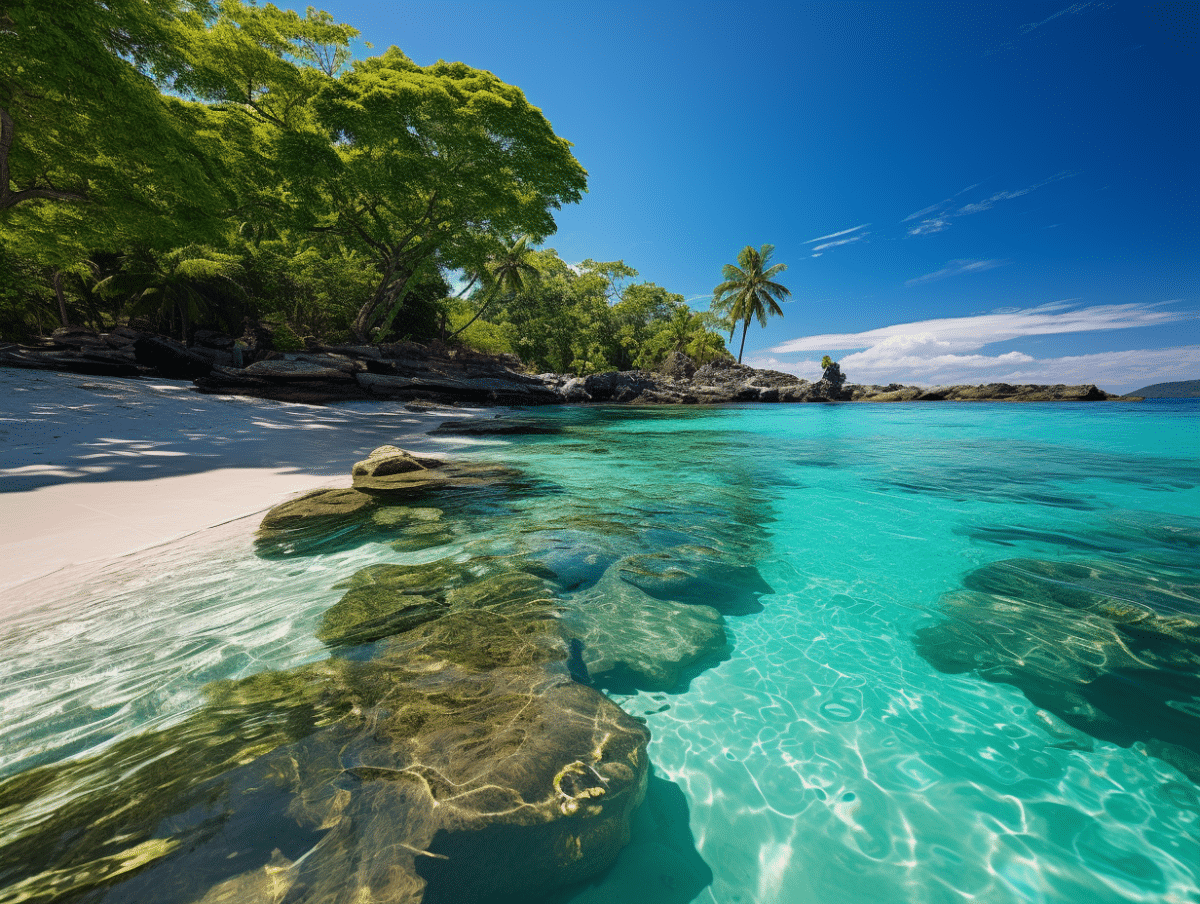
Thailand, with its crystal-clear waters and fine sandy beaches, is a favored destination for maritime vacation enthusiasts. The recent spotlight on its ocean provides a new boost to the already thriving tourism sector. The coral reefs, teeming with astonishing biodiversity, attract divers and snorkelers from around the world. The rise of this marine discovery has a significant impact on the local economy, stimulating water activities and job creation. However, it also raises questions about conservation and sustainable development, as the region strives to protect its precious marine ecosystem.
Exploring the Thai Ocean and Its Unique Ecosystem
Stretching over nearly 2,500 km of coastline, Thailand offers privileged access to the Indian Ocean, a perfect setting to discover the incredible marine biodiversity in Thailand. Iconic sites such as Koh Phi Phi, Phang Nga, and Koh Lanta stand out for their pristine white sandy beaches and marine national parks. Marine biodiversity, featuring remarkable species like the whale shark and a myriad of colorful corals, is the main asset of this destination.
In light of this wealth, environmental precautions are at the forefront of concerns. Preventive measures, such as regulations on fishing and tourism, are being implemented to protect fragile marine ecosystems. The Gulf of Thailand, as an area particularly rich in biodiversity, benefits from these conservation efforts to ensure the sustainability of the underwater treasures that contribute to the country’s reputation.
Thailand, bordered by the Indian Ocean, thus establishes itself as a destination of choice for ecotourists and scientists eager to study and enjoy its exceptional marine environment. Sustainable development initiatives aim to balance tourist influx with the preservation of this natural habitat, essential for the survival of many species and the continued appeal of the country on the international maritime tourism stage.
Impact of Marine Discovery on Tourism in Thailand
Maritime tourism in Thailand, a strategic sector of the national economy, is experiencing growing excitement due to the discovery of new underwater wonders. Islands like Koh Samui, Phuket, and Koh Tao, already famous for their paradise beaches, see their attractiveness multiplied. The spotlight on the unique marine ecosystem has led to an influx of tourists eager to explore these previously unknown or underestimated areas.
The marine tourism activities, varied and numerous, range from snorkeling to whale watching, sailing, and sport fishing. These leisure activities, which align with an environmentally respectful approach, take advantage of the growing reputation of Thailand’s marine biodiversity. Koh Phi Phi, for instance, already popular for its natural beauty, strengthens its position as a must-visit destination for diving enthusiasts.
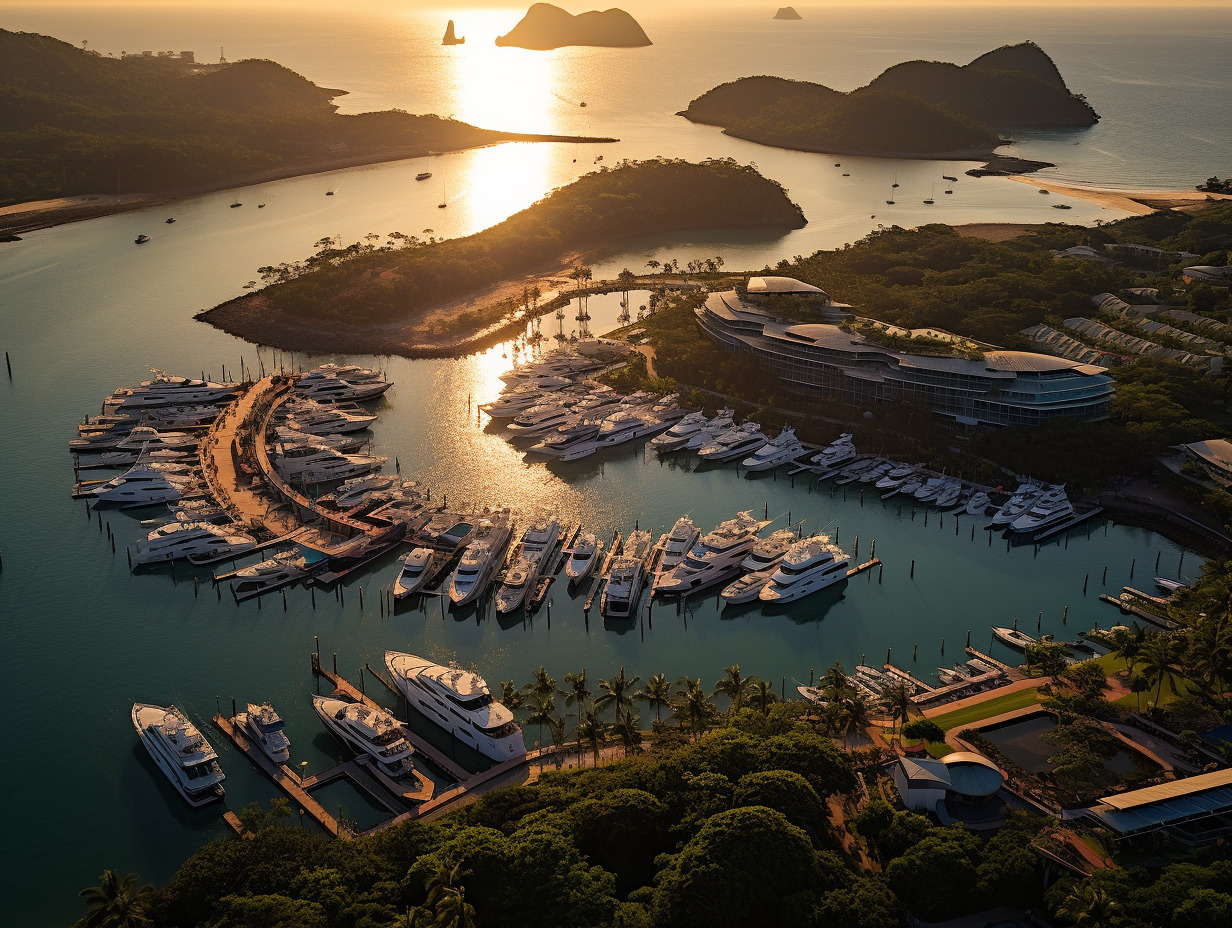
The international recognition of Thai sites has also stimulated the development of infrastructure dedicated to luxury tourism. Marinas, prestigious hotels, and exclusive services have emerged, targeting an affluent clientele that significantly contributes to the local economy. Patong, with its high-end resorts, exemplifies this trend towards more selective and upscale tourism, while still accommodating budget-conscious travelers.
Thailand, aware of the impact of tourism on its natural resources, has managed to integrate preservation into its development strategies. Ecotourism and educational initiatives aimed at raising visitor awareness about marine environmental protection have been strengthened. The economic benefits of maritime tourism are thus reinvested in conservation, ensuring a balance between tourism growth and ecological sustainability.