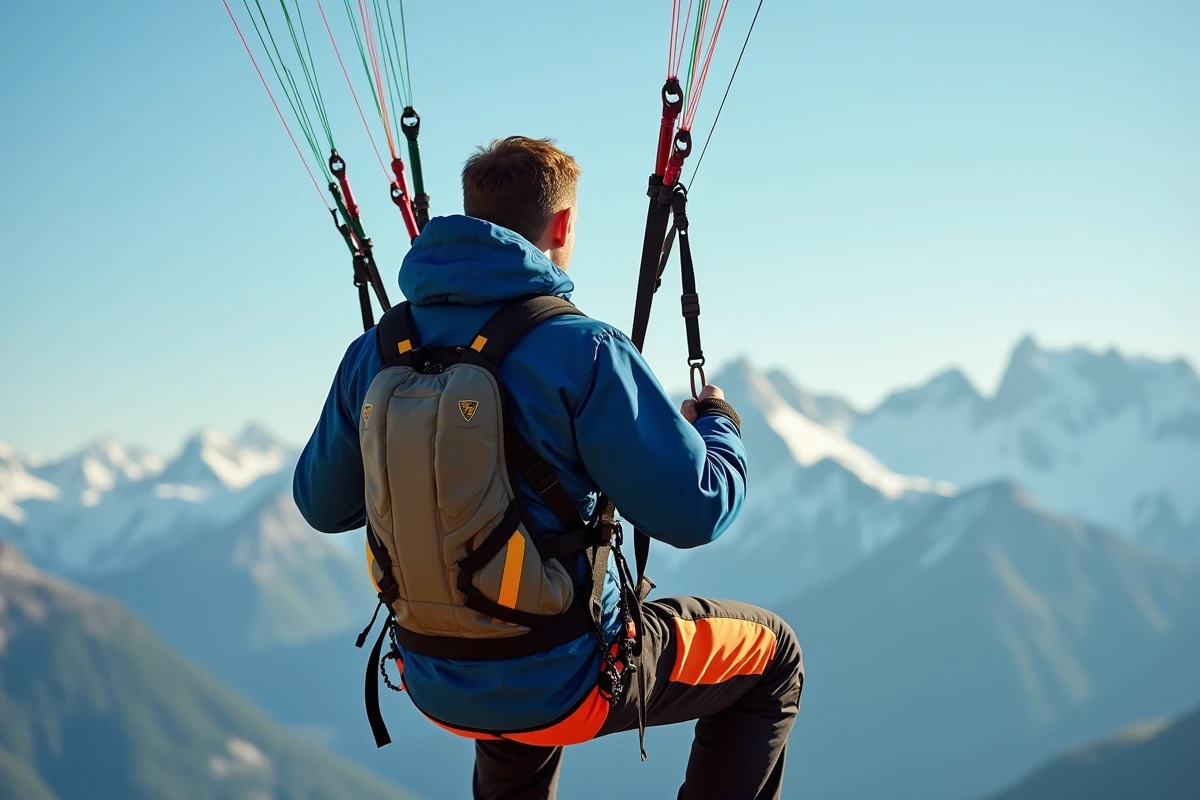
The market for paragliding harnesses has become denser in recent years, with manufacturers multiplying ranges to cover all pilot profiles. Nervures, a historic French brand, occupies a unique place in this landscape. Its harnesses are regularly mentioned by pilots practicing mountain flying, a terrain that imposes very different constraints from flatland flying.
Nervures Harnesses in Mountain Conditions: What the Terrain Imposes
Most buying guides for harnesses approach the choice from the perspective of type (seat, footrest, cocoon) or pilot level. Few focus on the question of actual aerological conditions. In high mountains, air masses are more unstable, thermals are more violent, and valley winds can change direction in a matter of minutes.
The annual report of the FFVL from March 2026 documents a rising trend in the adoption of Nervures reversible harnesses in cross-country competitions. Feedback from pilots mentions a better stability in strong turbulence compared to competing models. This point is not trivial: in the mountains, a harness that transmits too much unwanted movement to the pilot complicates the reading of aerology and increases fatigue.
For those who want to delve deeper into this point, it is useful to understand why choosing the Nervures harness for paragliding remains a relevant question in light of the current offerings.
On the other hand, at flatland flying sites, where aerology is more laminar and takeoffs are less technical, this increased stability offers less noticeable gains. A pilot who primarily flies in calm conditions will not benefit as much from this turbulence-oriented design.
Kailash Backrest Ergonomics and Long-Distance Flight Fatigue
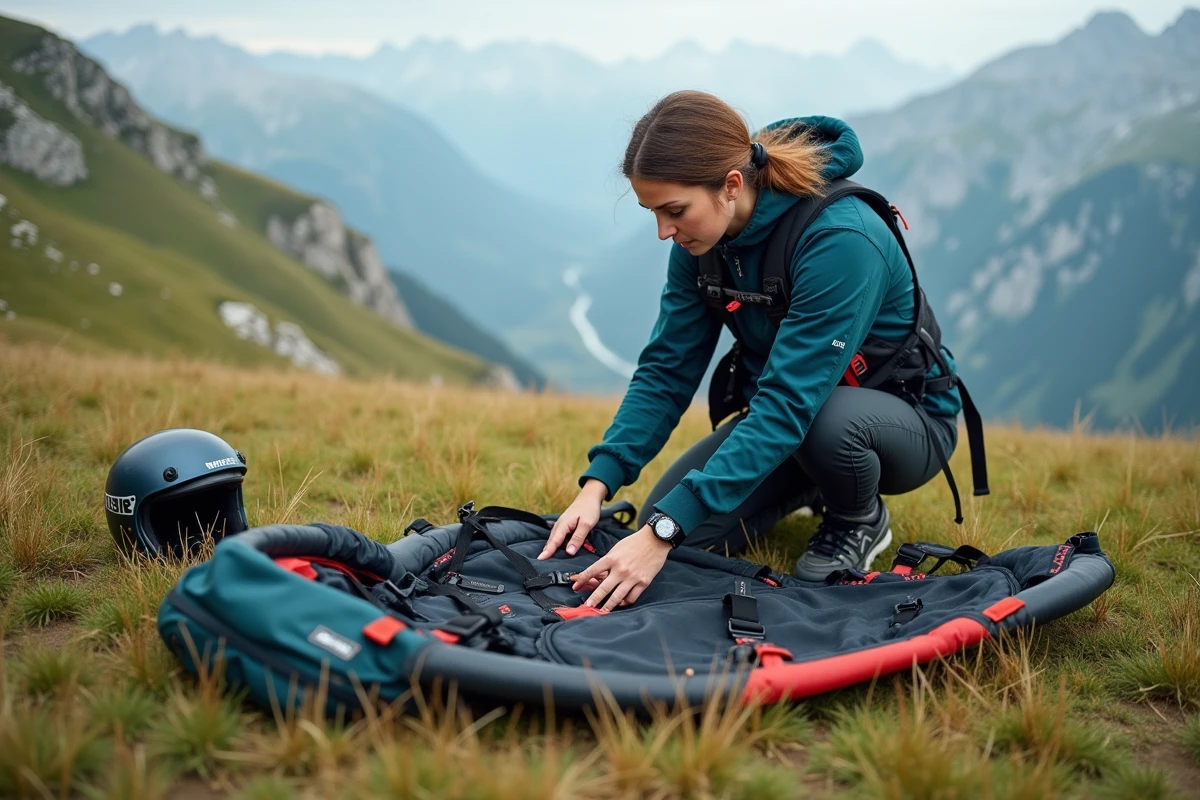
Lumbar fatigue is an underestimated problem in paragliding, especially during flights lasting several hours. The Kailash backrest, developed by Nervures, received specific feedback during the Parapente Magazine forum #142 in February 2026. Professional pilots reported a significant reduction in lumbar fatigue on long-distance flights.
This is not just a matter of comfort. A less fatigued pilot makes better decisions at the end of the flight, when conditions often deteriorate. The ergonomics of the backrest directly influence posture, and thus the ability to maintain active piloting over time.
What the Kailash Backrest Changes Practically
The system relies on lumbar support that adapts to the pilot’s movements without creating a fixed pressure point. Field feedback varies on this point depending on morphology: some tall pilots report perfect support, while others with shorter torsos find the adjustment less intuitive. The harness is not universal, and a trial is necessary before any purchase.
Aerodynamic Profile of Nervures Harnesses: Available Data
An independent study from the University of Grenoble, published in November 2025, compared the aerodynamic profile of several harnesses using CFD simulation (computational fluid dynamics). Nervures harnesses in low profile showed a notable decrease in pilot drag compared to the Nova Race, a model considered a reference in competition.
This data deserves to be contextualized. The CFD simulation models an idealized airflow, which does not reproduce actual turbulence. The aerodynamic gains measured in the laboratory do not always translate into a noticeable advantage in flight. The available data does not allow for conclusions about the exact extent of performance gain in real conditions.
Drag and Transition Speed
The reduction in drag is particularly important during transitions between thermals, when the pilot accelerates to cover distance. On a cross-country flight of several dozen kilometers, even a modest advantage in drag can accumulate. For a pilot who does local flying or soaring, this aspect remains secondary.
Nervures Harness and Passive Safety: Protection and Reserve Parachute
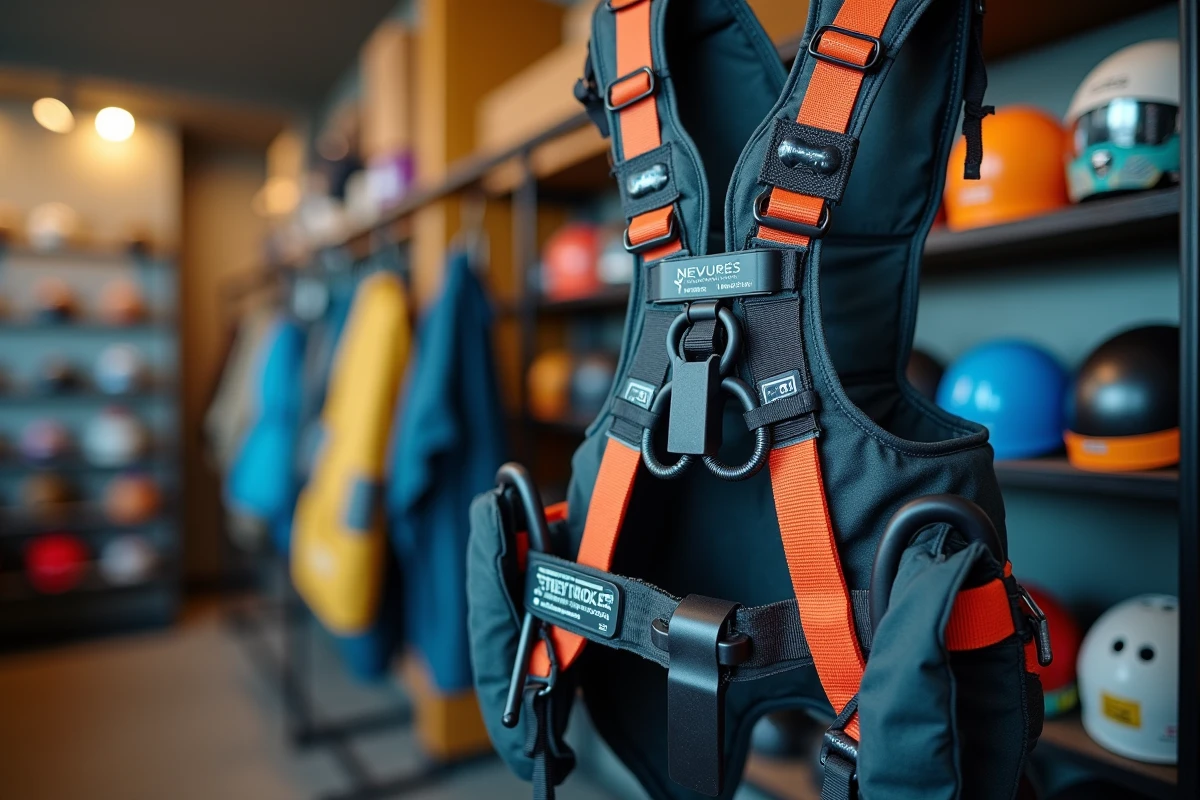
Nervures harnesses incorporate back protections made of foam or airbag depending on the models. The question of passive protection in case of ground impact is central, especially for pilots taking off from technical mountain sites, where emergency landings sometimes occur on rugged terrain.
Several elements deserve to be checked before choosing a Nervures harness for mountain use:
- The volume of the reserve parachute container, which must be compatible with a reserve of appropriate size for the pilot’s weight
- The type of back protection (rigid foam, airbag, or a combination of both) and its actual thickness in flight position
- The compatibility of the spreaders with the wing used, a point often overlooked that influences the transmission of controls
The Nervures range covers harnesses from school models to competition cocoon. The choice of the appropriate model depends on the type of flying practiced, the weight, and the technical level of the pilot.
Limitations and Points of Caution on Nervures Harnesses
No harness is suitable for all pilots or all practices. Feedback on Nervures harnesses reveals some recurring points:
- The weight of certain models, which can be a hindrance for pilots practicing bivouacking or hike-and-fly in the mountains
- The availability of spare parts and accessories, sometimes more limited than with manufacturers with very wide distribution
- The adaptation time required for pilots used to harnesses with very different geometry, particularly in terms of roll
The Nervures harness remains a choice oriented towards mountain and cross-country pilots. For exclusive use in school or discovery flights, other options may prove more suitable and accessible. The best decision comes from a test flight, ideally at a site representative of one’s usual practice.