Living as a family in Brittany on a daily basis is not just about enjoying the coastline on weekends. The region presents concrete realities that weigh on the budget, housing comfort, and access to local services. Comparing these parameters allows families to choose where to settle, how to adapt their living space, and which resources to mobilize to simplify family life.
Energy Vulnerability of Breton Housing: What Families Face
Before discussing activities or outings, the first factor impacting a family’s daily life remains housing. An analysis by Insee published in April 2025 indicates that one in five Breton households is affected by energy vulnerability related to housing. This means that heating bills absorb a disproportionate share of income.
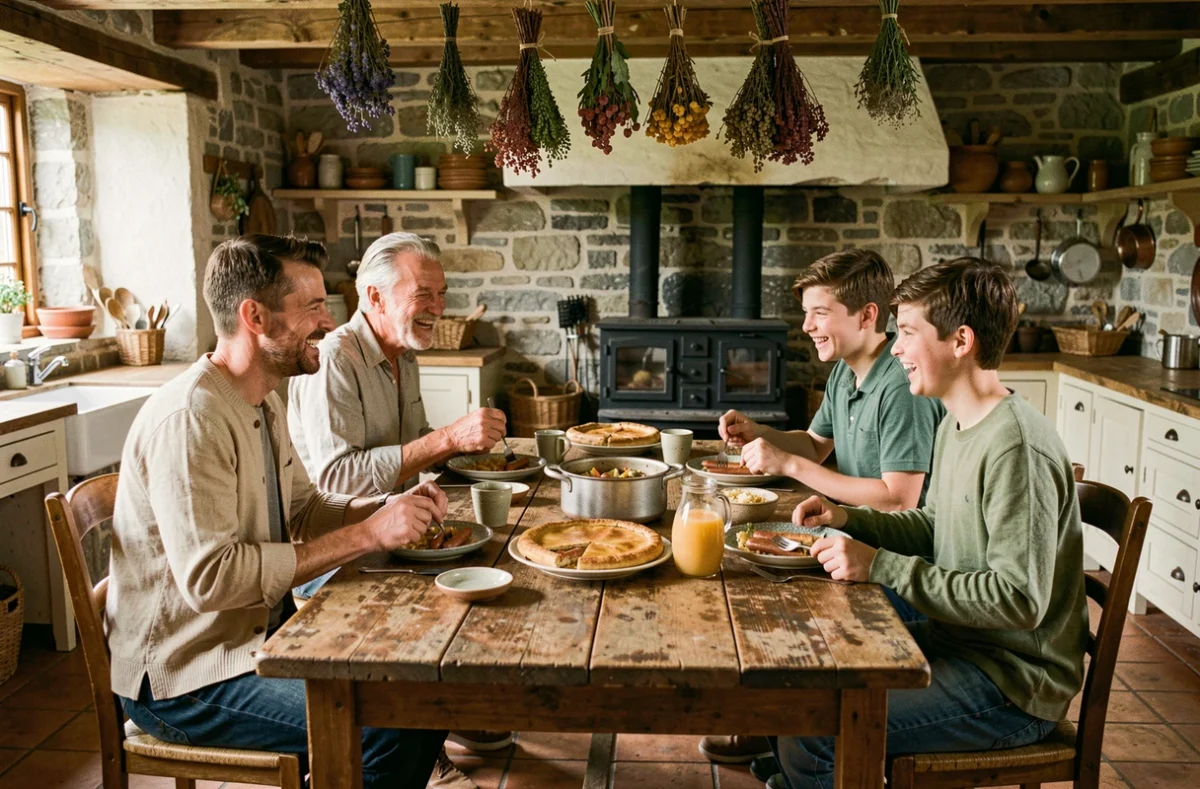
The Breton real estate market contains a notable proportion of old stone houses, often poorly insulated. For a family with children, thermal comfort determines quality of life much more than proximity to a beach. Prioritizing energy renovation (insulation of attics, replacement of windows, ventilation) sustainably reduces fixed costs.
Renovation aids exist at both national and regional levels, but their administrative setup remains complex. Consulting the family section on Jeune Bretagne provides access to practical guidelines to direct daily efforts.
Coastal or Inland Brittany: A Comparison of Family Constraints
The choice of residence in Brittany does not have the same impact depending on whether one targets the coast or the inland areas. Insee highlights that the presence of second homes in tourist municipalities reduces the availability of housing for resident households. This phenomenon directly affects families looking to settle year-round.
| Criterion | Coastal Municipalities | Inland Areas |
|---|---|---|
| Availability of family housing | Reduced by second homes | Wider, lower price per m² |
| Proximity to schools and colleges | Variable, sometimes saturated in summer | Regular network in towns |
| Access to nature activities | Beaches, coastal paths, water sports | Forests, rivers, hiking, cycling |
| Energy cost (housing) | Exposed to wind, saline humidity | Often older houses but less exposed |
| Local services (health, shops) | Concentrated in season, reduced off-season | Stable all year round in county seats |
The inland areas offer a more favorable cost-services ratio for families living year-round. The sectors around the interior Morbihan or central Brittany maintain a dense school network and accessible real estate prices.
On the coast, quality of life remains attractive due to outdoor activities and proximity to the sea, but housing budgets rise significantly. For a family, balancing living conditions and financial constraints involves this framework of understanding.
Parenting Support Locations in Brittany: An Underestimated Network
Families moving to Brittany often discover parenting support structures late. In Plémet, in the Côtes-d’Armor, a Parenting House offers a free space for information and exchanges for parents and future parents, with regular slots and a space suitable for children.
This type of place exists in several Breton municipalities in various forms:
- Early childhood support centers, which guide families towards available childcare options (childminders, nurseries, micro-nurseries) and organize collective times for toddlers
- Parenting houses or family spaces, which offer thematic workshops (sleep, nutrition, screen management) led by professionals
- Intercommunal social centers, which combine open access, assistance with administrative procedures, and parent-child activities at rates adapted to income
These resources operate at the level of the municipality or intercommunity. Identifying these structures upon arrival prevents months of isolation, especially when the extended family network remains in another region.
Family Activities Suited to Daily Life in Brittany
Tourist guides readily list sites to visit during vacations. The reality for a family living in Brittany is more about Wednesday afternoons or Saturday mornings. The activities that structure daily life are not the same as those for a one-week stay.
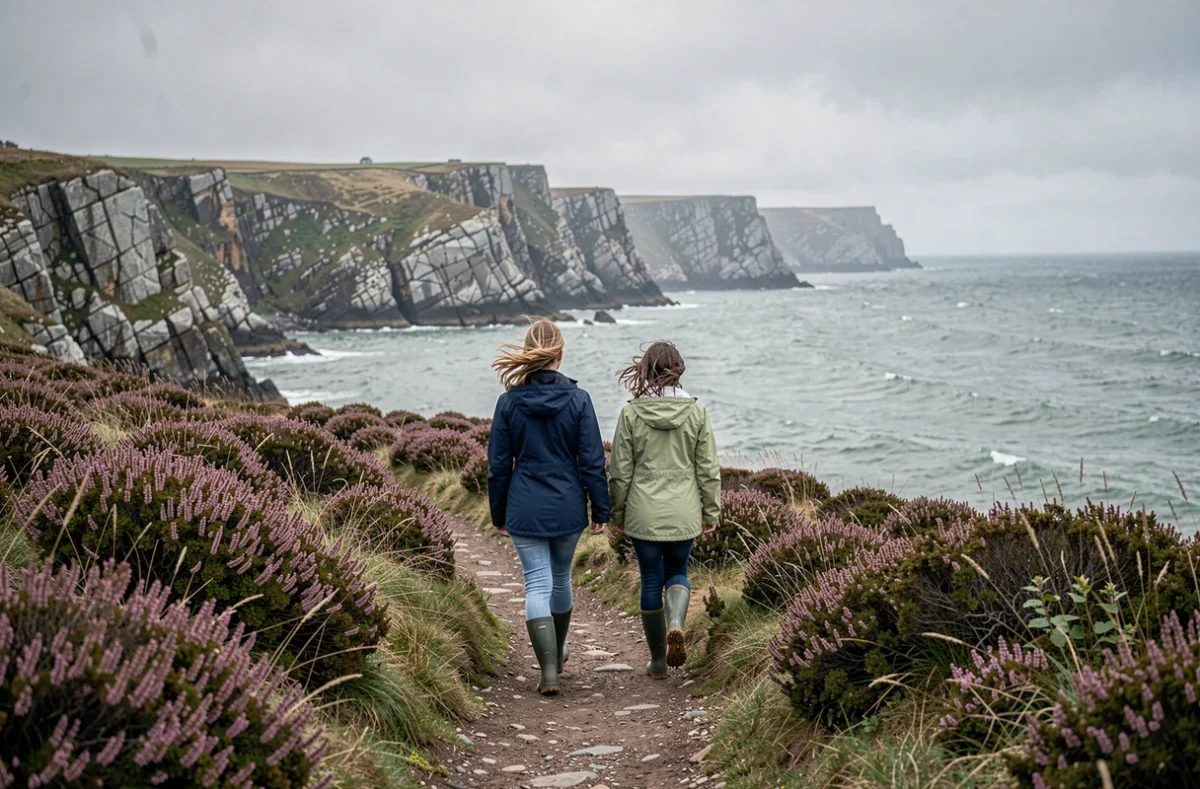
The Breton nature lends itself to short and regular outings. The coastal paths of the GR34, accessible in sections, allow for walks of one to two hours suitable for children as soon as they walk properly. Inland, the forests of Brocéliande, Huelgoat, or Fougères offer shaded paths that can be used year-round.
Breton media libraries are a discreet pillar of family life. The network is dense, the hours are often designed for families, and regular activities (readings, creative workshops) are free or at a symbolic cost.
Cycling is becoming increasingly prominent in daily Breton life. Several greenways traverse the region along former railway lines, with gentle slopes suitable for families. These routes sometimes connect towns, making them a practical means of transportation rather than just a leisure activity.
Family Budget in Brittany: Key Areas to Monitor
The cost of living in Brittany remains generally lower than in Île-de-France or the Lyon region, but certain areas deserve attention. Energy, as noted earlier, weighs heavily in older housing. Transportation represents another structuring factor: outside the agglomerations of Rennes and Brest, the car remains the primary means of transportation.
Families with two or more children benefit from checking the coverage of school transport and the prices of canteens, which vary significantly from one intercommunity to another. The pricing of leisure centers follows the same logic: indexed to family quotient, they can range from simple to triple depending on income and the community.
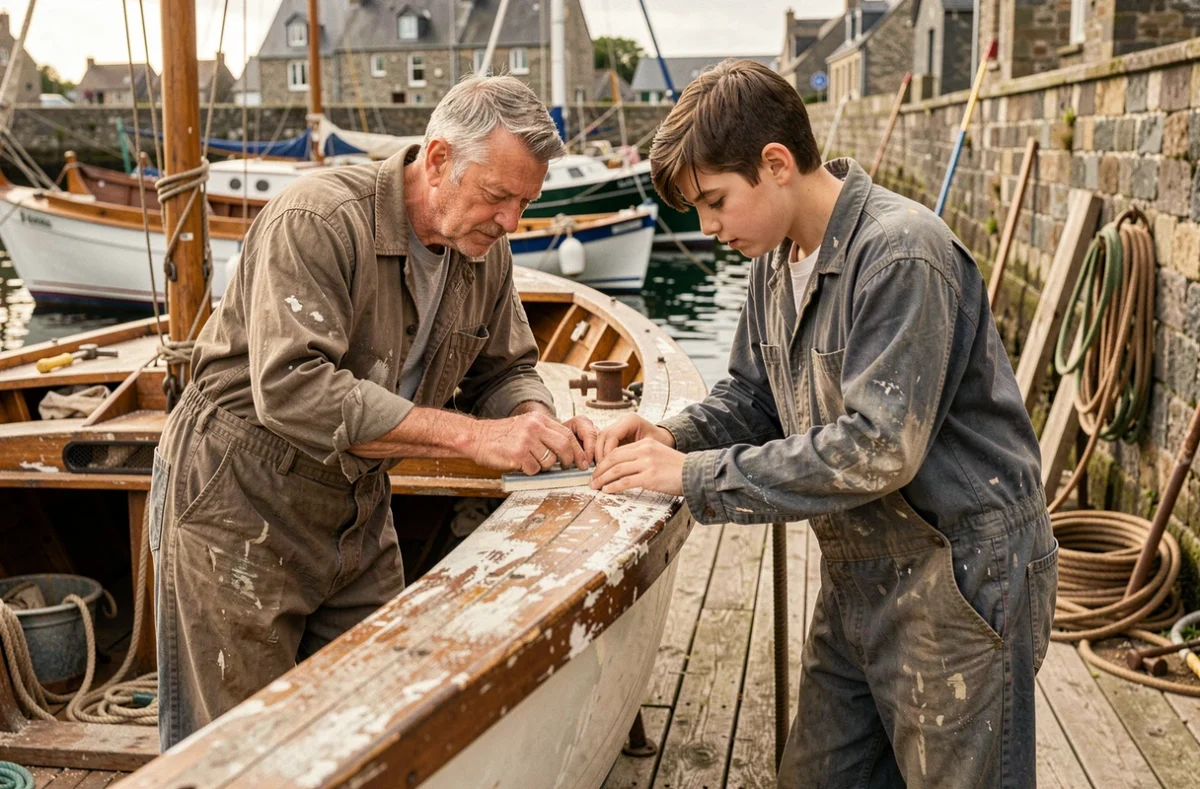
Brittany also has a dense associative fabric that offers sports and cultural activities for children at moderate prices. Sailing clubs, intercommunal music schools, rural sports sections: the offer exists, but it requires some time to identify upon arrival.
Improving family life in Brittany relies less on discovering tourist spots and more on mastering these concrete parameters: energy performance of housing, geographical choice between coast and inland, knowledge of local support structures. Families that anticipate these dimensions save themselves costly adjustments in the first months of settling in.