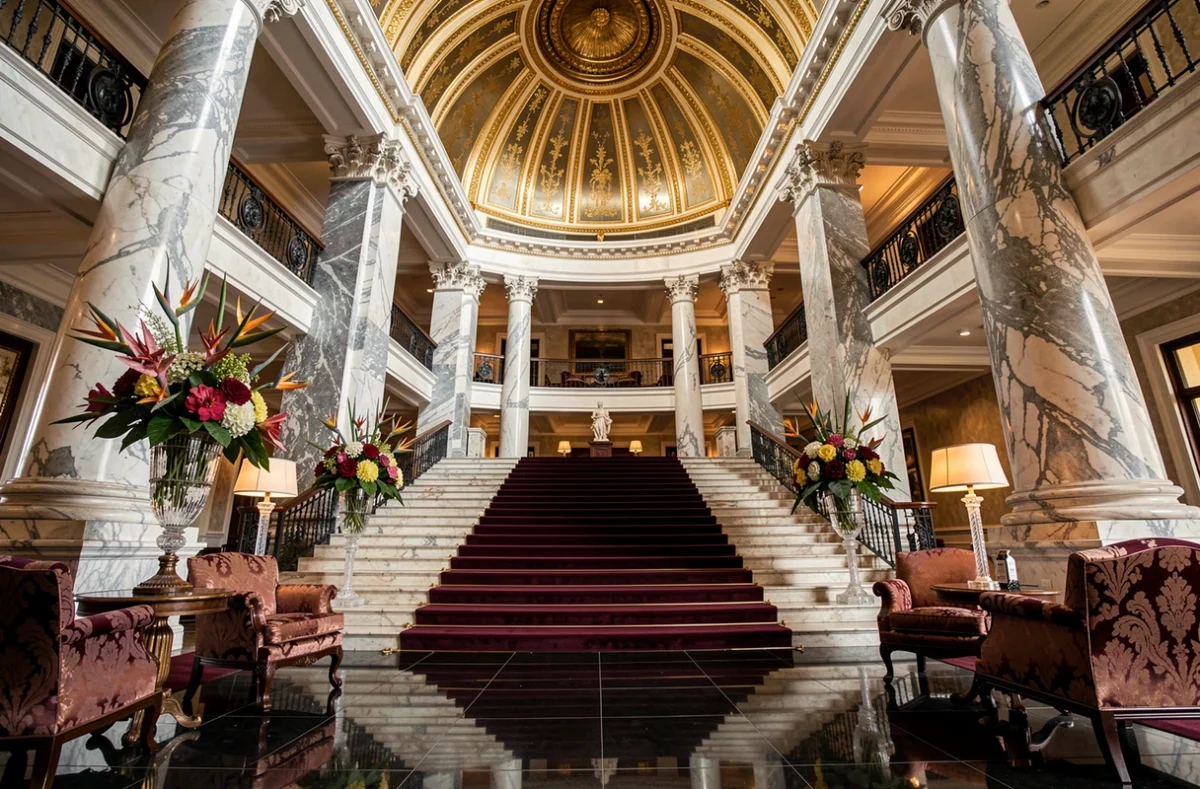
No international hotel-rating body awards certifications above five stars. The terms “7-star” and “8-star” are media and promotional rhetoric, not part of a standardized rating system.
Yet these superlatives serve as a benchmark for travelers seeking a level of service beyond the standards of a traditional palace hotel, and several properties around the world claim or are awarded these unofficial distinctions.
Hotel ratings beyond 5 stars: a regulatory fiction
Before drawing up any kind of ranking, it is important to understand what “8 stars” actually means. The short answer: no official standard defines this level.
The Burj Al Arab, regularly described as “7-star,” has never received this rating from a certification body. Yet the phrase caught on. Since then, media hype has prompted some projects to claim 8 or even 10 stars, despite there being no rating system to support these figures.
When a website or magazine refers to an 8-star hotel, it is actually describing a range of services considered superior to those of traditional palace hotels: round-the-clock butler service, extraordinary architecture, spacious suites, an exclusive setting, or an exceptionally personalized stay.
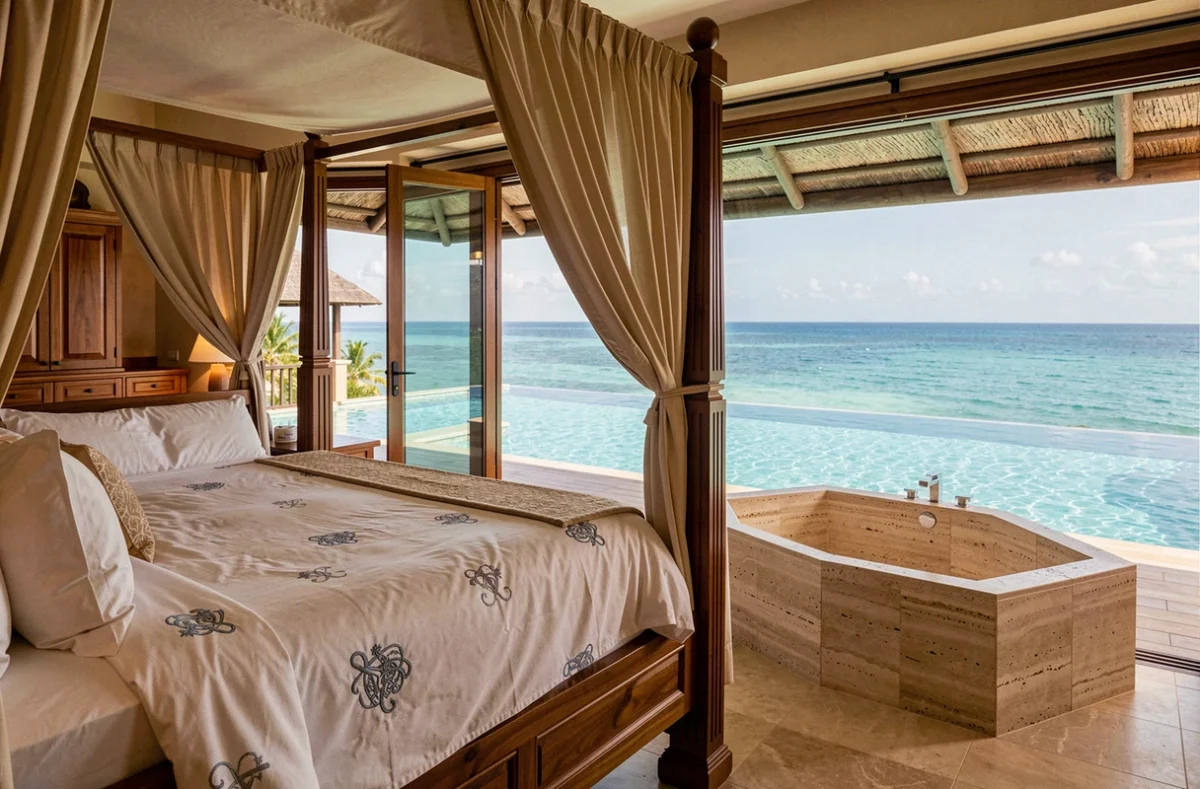
Burj Al Arab in Dubai: the story of the palace that sparked the race for fictional stars
Built on an artificial island and opened in the late 1990s, the Burj Al Arab remains the ultimate benchmark for superlative hotel luxury. Its sail-shaped silhouette has become a symbol of Dubai, much like the Burj Khalifa is synonymous with height.
The property offers suites only, spread across several dozen floors. Every guest has a dedicated butler, transfers by Rolls-Royce or helicopter, and access to restaurants, some of which are reached via a simulated underwater journey. Rates can reach tens of thousands of dollars per night for the Royal Suites.
The Burj Al Arab has never applied for or received a “7-star” or “8-star” rating from an official body. Its nickname remains a journalistic invention that proved an effective marketing tool worldwide.
Rosewood Hong Kong and the World’s 50 Best Hotels 2025 ranking
Rather than relying on an invented star rating, industry professionals can turn to rankings compiled by expert panels. The World’s 50 Best Hotels is a notable example: more than 800 experts vote based on stays they have experienced over the previous three years.
In the 2025 edition, Rosewood Hong Kong retains the top spot. Located on the Tsim Sha Tsui waterfront, the property has more than 400 rooms and suites. It houses contemporary artworks by renowned artists and features several restaurants, including two with Michelin stars.
This kind of ranking offers a more reliable benchmark than a self-proclaimed “8-star” label. It is based on verifiable criteria: service quality, consistency of the experience, cuisine, and design. An expert ranking is not an official certification, but it reflects a professional consensus that fanciful star ratings cannot guarantee.
French hotels in the ranking
Four French properties feature in the 2025 edition’s Top 50. The presence of several French hotels confirms that France remains a benchmark for luxury hospitality, even without resorting to inflated labels.
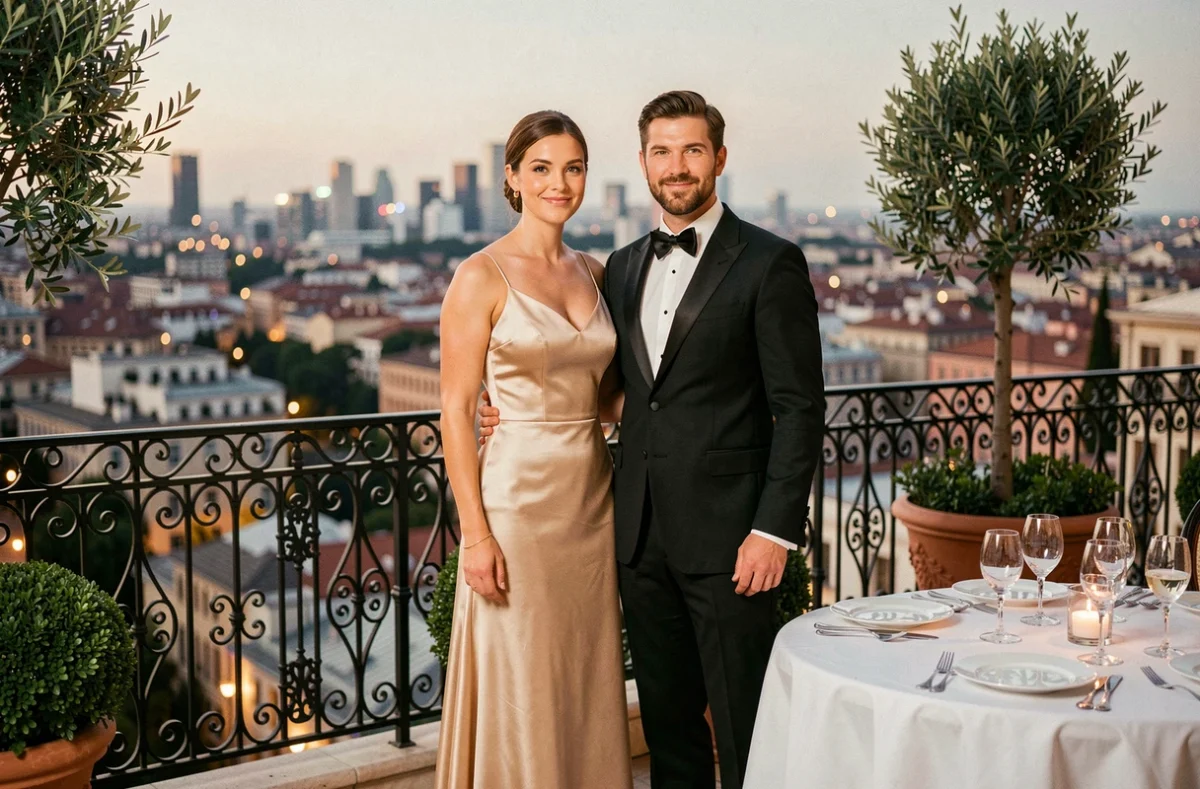
What really sets a palace hotel apart from a supposed 8-star hotel
Beyond the marketing, what actually distinguishes properties claiming this level of luxury? Several features come up consistently in descriptions of these hotels.
- A very high staff-to-guest ratio, often more than three employees per occupied room, with round-the-clock butler service
- Architecture conceived as a work of art in its own right, designed by internationally renowned firms and featuring rare materials such as marble, gold leaf, and precious woods
- Suites far larger than a standard apartment, sometimes equipped with a private pool, cinema, or personal spa
- An exceptional location (a private island, the top of a skyscraper, or a listed historic site) that makes getting there part of the experience
There is no unified international scale for these criteria. Each property sets its own standard of excellence, making objective comparisons between an Emirati project and a Parisian palace hotel difficult.
8-star hotel: marketing promise or the future of hospitality?
Several hotel projects announced in the Middle East and Asia already claim the “8-star” label. Some have yet to open, and their announced completion dates are no guarantee.
The underlying question is simple: does a label with no certifying body have any value for travelers? Tourism professionals tend to advise caution. A ranking such as the World’s 50 Best Hotels, despite its limitations (a small panel and possible geographic bias), is at least based on real stays and published criteria.
- No international harmonization initiative is underway to create an official sixth, seventh, or eighth star
- The most discerning travelers rely more on specialist guides and firsthand reviews than on self-awarded stars
The “8-star” label works as a way to stand out in a saturated luxury market. It attracts attention, generates media coverage, and positions a property in a higher mental category. But without any independent certification, it remains a communications tool, not a guarantee of measurable quality.